에 대해 Chonggak Kimchi
Ponytail radish kimchi — crunchy and pungent
How to Make Chonggak Kimchi (Traditional & Healthy Version)
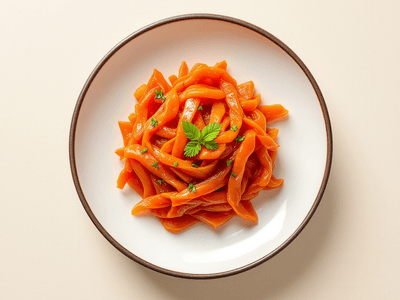
Chonggak Kimchi, also known as ponytail radish kimchi (총각김치), is a beloved banchan in Korean cuisine. This traditional dish features the unique chonggakmu, a small, crisp radish with leafy tops, which is fermented in a spicy, tangy seasoning. Originating from Korea's rich fermentation culture, Chonggak Kimchi is celebrated for its crunchy texture and deep umami flavors. It’s a staple on Korean tables, especially during autumn and winter, when radishes are in peak season. The fermentation process not only enhances the flavor but also boosts its nutritional value, making it an excellent choice for health-conscious eaters. As part of the banchan tradition, Chonggak Kimchi is served alongside rice and main dishes, offering a refreshing and spicy contrast. The dish’s vibrant red hues and aromatic spices are a testament to Korea’s mastery of fermented foods. Its taste is bold yet balanced, making it a favorite among kimchi lovers. Choosing Chonggak Kimchi for your meals introduces you to the heart of Korea’s culinary heritage and its commitment to wholesome, flavorful food. This vegan and vegetarian-friendly kimchi is perfect for anyone looking to enjoy classic Korean flavors in a healthy, plant-based way.
재료(About 5-6 chonggakmu radishes per serving 기준)
- 12 small radishes Chonggakmu (ponytail radish) (총각무, washed and trimmed)
- 1/4 cup Coarse sea salt (for salting radishes)
- 1/4 cup Korean red pepper flakes (gochugaru) (고춧가루)
- 6 cloves Garlic (minced)
- 1 inch piece Ginger (minced)
- 4 stalks Green onion (cut into 2-inch pieces)
- 2 teaspoons Sugar (optional, for balance) - 선택 사항
- 1/2 pear Korean pear (grated, for sweetness) - 선택 사항
- 2 tablespoons Glutinous rice flour (for paste)
- 1 cup Water (for rice paste)
- 2 cups Salted brine (for initial soak)
조리 방법
- 1
Wash and trim chonggakmu radishes, leaving leafy tops attached. Make a small slit at the root for even seasoning.
5 minutes
Ensure radishes are fresh and firm for best crunch.
- 2
Sprinkle radishes with coarse sea salt and let sit for 1 hour, turning occasionally. Rinse and drain thoroughly.
10 minutes
Salting draws out excess moisture and helps preserve texture.
- 3
Prepare rice paste by mixing glutinous rice flour with water. Simmer until thickened, then cool completely.
5 minutes
Rice paste helps kimchi ingredients bind and ferment evenly.
- 4
Combine gochugaru, minced garlic, ginger, green onion, sugar, and grated Korean pear in a mixing bowl. Add cooled rice paste and mix to form seasoning.
5 minutes
Adjust spice level by varying amount of gochugaru.
이 음식이 건강한 이유
This kimchi is a healthy choice because it’s made from nutrient-dense radishes and fermented, boosting beneficial gut bacteria. The absence of animal products and minimal sugar make it heart-friendly and weight loss-friendly. Its high fiber content helps with satiety and blood sugar control. Including Chonggak Kimchi in your diet supports immune function, digestion, and overall wellness.
Chonggak Kimchi is rich in dietary fiber, vitamin C, and antioxidants from radishes and gochugaru. Fermentation enhances probiotic content, supporting gut health and digestion. The dish is low in fat, cholesterol-free, and plant-based, making it suitable for vegan and vegetarian diets. Garlic and ginger provide anti-inflammatory compounds, while green onions add vitamins A and K. It’s a naturally low-calorie banchan, ideal for those tracking macros and nutrients.
팁
- 💡Tip 1: Use smaller, younger radishes for best crunch and sweetness.
- 💡Tip 2: Adjust fermentation time according to your taste preference.
- 💡Tip 3: Always keep kimchi submerged to prevent spoilage.
보관 및 제공
Store Chonggak Kimchi in an airtight container in the refrigerator. It will keep for 2-3 weeks, developing deeper flavors over time. For best texture, consume within 14 days. Always use clean utensils to avoid contamination.
가장 잘 어울리는 때: Breakfast or Lunch
영양 성분
| 영양소 | 100g당 |
|---|---|
| 에너지 | 20.0 kcal |
| 단백질 | 1.0 g |
| 탄수화물 | 3.0 g |
| 총 지방 | 0.3 g |
| 식이섬유 | 1.0 g |