에 대해 Musaengchae
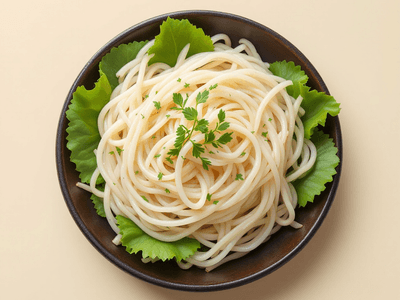
Spicy shredded radish salad
How to Make Musaengchae (Traditional & Healthy Version)
Musaengchae (무생채) is a beloved Korean banchan, or side dish, that features crisp, julienned Korean radish (mu) tossed in a tangy, spicy dressing. Traditionally served alongside rice and other banchan in Korean meals, musaengchae is celebrated for its refreshing crunch and vibrant flavors. This dish is a staple in Korean homes, especially during the autumn and winter months when mu is at its peak of freshness. Musaengchae embodies the essence of Korean cuisine: simple ingredients transformed through careful seasoning and fermentation, resulting in a dish that is both nourishing and deeply flavorful. The taste of musaengchae is a harmonious balance of spicy, tangy, and slightly sweet, with the radish’s natural peppery note shining through. It’s commonly enjoyed as a palate cleanser between bites of richer dishes, making it a perfect addition to any Korean meal. As a banchan, musaengchae reflects Korea's culinary culture of sharing a variety of small dishes, each offering unique tastes and textures. The use of gochugaru (Korean chili flakes) and vinegar in the dressing highlights Korea's love for fermented foods and bold flavors. Choosing musaengchae is ideal for health-conscious eaters, as it is naturally low in calories and packed with fiber. Its vegan-friendly and vegetarian nature makes it accessible to a wide range of dietary preferences. Incorporating musaengchae into your meals not only enhances taste and texture but also provides a nutritious boost, supporting digestive health and overall wellness. This authentic recipe ensures you bring the flavors of Korea to your table in a wholesome, easy-to-prepare way.
재료(1 small side dish portion (about 150g) 기준)
- 2 cups Korean radish (mu) (julienned)
- 1/2 teaspoon Salt (sea salt preferred)
- 1 tablespoon Gochugaru (Korean chili flakes)
- 2 teaspoons Rice vinegar (can substitute with apple vinegar)
- 1 teaspoon Sugar (optional for balance) - 선택 사항
- 1 clove Garlic (minced)
- 1 stalk Green onion (finely chopped) - 선택 사항
- 1 teaspoon Sesame oil (for flavor)
- 1 teaspoon Sesame seeds (toasted)
- 1/4 cup Carrot (julienned for color) - 선택 사항
조리 방법
- 1
Julienne the Korean radish and carrot (if using) into thin strips. Place them in a mixing bowl.
5 minutes
Use a mandoline for uniform slices.
- 2
Sprinkle salt over the radish, mix gently, and let it sit for 10 minutes to draw out excess moisture.
10 minutes
Gently squeeze the radish to remove water after salting.
- 3
Drain the radish, discarding the released liquid. Rinse lightly and pat dry.
3 minutes
Do not over-rinse; keep some salt for flavor.
- 4
In a small bowl, combine gochugaru, rice vinegar, sugar, minced garlic, and sesame oil. Mix well to form the dressing.
3 minutes
Adjust chili and sugar to taste.
이 음식이 건강한 이유
This dish is a healthy choice due to its low calorie content, high fiber, and abundance of vitamins and minerals. It is naturally vegan and vegetarian, free from common allergens like dairy and gluten. Musaengchae’s use of raw vegetables preserves nutrients and supports a balanced diet, ideal for anyone seeking traditional Korean flavors with nutritional benefits.
Musaengchae is rich in dietary fiber from Korean radish, supporting digestive health and satiety. The radish provides vitamin C, potassium, magnesium, and antioxidants. Sesame seeds and oil add healthy fats, while garlic offers anti-inflammatory properties. The dish is low in calories and carbs, making it suitable for weight management and a vegan diet. Its minimal sugar content ensures a low glycemic index, perfect for diabetic-friendly meal plans.
팁
- 💡Tip 1: Use fresh, firm mu for best texture.
- 💡Tip 2: Adjust gochugaru for spice level according to taste.
- 💡Tip 3: Toss the radish gently to avoid bruising and maintain crispness.
보관 및 제공
Store musaengchae in an airtight container in the refrigerator for up to 3 days. Consume promptly for maximum crunch and freshness. Avoid freezing, as texture will degrade.
가장 잘 어울리는 때: Breakfast or Lunch
영양 성분
| 영양소 | 100g당 |
|---|---|
| 에너지 | 25.0 kcal |
| 단백질 | 1.0 g |
| 탄수화물 | 4.0 g |
| 총 지방 | 0.5 g |
| 식이섬유 | 1.0 g |