에 대해 Pickled Radish
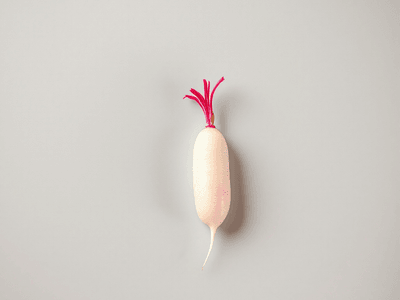
Yellow pickled radish — gimbap essential
How to Make Korean Pickled Radish (Traditional & Healthy Version)
Korean Pickled Radish, known locally as 'Danmuji' or 'Moo Jangajji', is a cherished banchan in Korean cuisine. Banchan refers to the small side dishes served with almost every meal in Korea, providing a burst of flavor and contrast to the main dishes. Pickled radish stands out with its crisp texture and tangy-sweet flavor, making it an essential accompaniment to spicy and savory meals like Korean BBQ or bibimbap. The tradition of pickling vegetables is deeply rooted in Korea, not only for preservation but also for enhancing the nutritional value and taste, reflecting the country’s rich culinary heritage. This recipe offers a healthy, vegan, and vegetarian version of Korean Pickled Radish, perfect for those who want to enjoy authentic flavors while keeping their meals light and nutritious. The fermentation process introduces beneficial probiotics, supporting gut health and digestion. Its vibrant yellow color and refreshing crunch have made it a staple in both home-cooked meals and restaurant tables across Korea. Whether served with rice, noodles, or as a palate cleanser between courses, pickled radish embodies the harmony and balance central to Korean dining culture.
재료(1 small bowl (about 100g) per serving, typical for banchan in Korea 기준)
- 2 cups Korean white radish (mu) (peeled and cut into 1cm cubes)
- 1/2 cup Rice vinegar (adds tanginess)
- 1/2 cup Water (for pickling liquid)
- 1/4 cup Sugar (optional: use less for a healthier version)
- 1 tbsp Sea salt (for flavor and preservation)
- 1/2 tsp Turmeric powder (for traditional yellow color)
- 1/2 tsp Black peppercorns (adds subtle spice) - 선택 사항
- 1 Bay leaf (optional for aromatic flavor) - 선택 사항
- 1 small piece Kelp (dashima) (optional, boosts umami) - 선택 사항
조리 방법
- 1
Wash, peel, and cut the Korean white radish (mu) into 1cm cubes for even pickling.
5 minutes
Keep radish pieces uniform for consistent texture.
- 2
In a saucepan, combine water, rice vinegar, sugar, sea salt, and turmeric powder. Stir and bring to a gentle simmer.
5 minutes
Simmer just enough to dissolve sugar and salt; do not boil.
- 3
Add black peppercorns, bay leaf, and kelp (dashima) to the simmering liquid for extra aroma and umami. Simmer for 5 more minutes.
5 minutes
Remove kelp after simmering to prevent bitterness.
- 4
Let the pickling liquid cool to room temperature. Strain out solids if desired.
5 minutes
Cooling prevents radish from softening too much.
이 음식이 건강한 이유
This dish is naturally low in calories and saturated fat, making it a smart addition to any meal. The radish delivers hydration, fiber, and essential minerals without excess carbohydrates or unhealthy additives. Its probiotic content supports digestive health, while the turmeric offers anti-inflammatory properties. By using minimal sugar and natural ingredients, it fits perfectly in a balanced, health-conscious Korean diet.
Korean Pickled Radish is low in calories and fat, making it an ideal choice for calorie-conscious eaters. Radishes are a good source of vitamin C, potassium, and fiber, supporting immune health and digestion. The fermentation and pickling process introduces beneficial probiotics for gut health. Using turmeric adds anti-inflammatory benefits and antioxidants. The recipe is vegan, gluten-free, and suitable for most dietary preferences, especially when sugar is reduced.
팁
- 💡Tip 1: Slice radish uniformly for consistent texture and flavor absorption.
- 💡Tip 2: Adjust turmeric for desired color without overpowering flavor.
- 💡Tip 3: Let pickled radish sit for at least 48 hours for optimal taste and crunch.
보관 및 제공
Store in a sealed glass jar in the refrigerator. Keeps fresh and crunchy for up to 2 weeks. Always use clean utensils to avoid contamination.
가장 잘 어울리는 때: Breakfast or Lunch
영양 성분
| 영양소 | 100g당 |
|---|---|
| 에너지 | 28.0 kcal |
| 단백질 | 0.0 g |
| 탄수화물 | 6.0 g |
| 총 지방 | 0.0 g |
| 식이섬유 | 1.0 g |