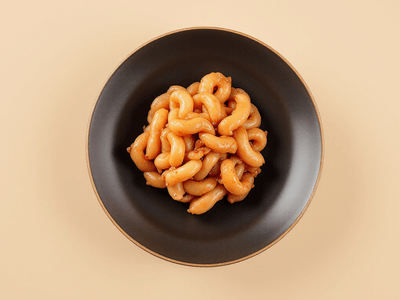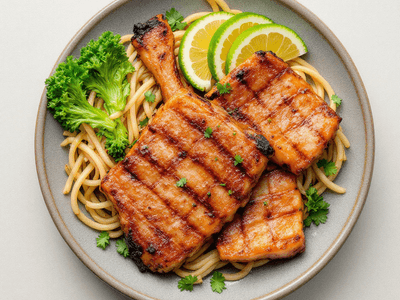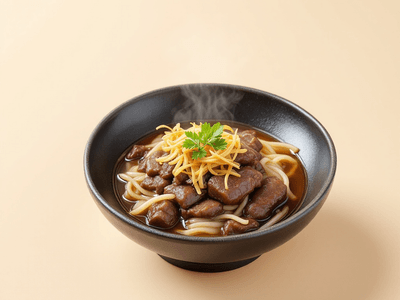
에 대해 Nakji Bokkeum
Spicy stir-fried octopus
How to Make Nakji Bokkeum (Traditional & Healthy Version)
Nakji Bokkeum (낙지볶음), or spicy stir-fried octopus, is a beloved Korean dish celebrated for its fiery flavor and tender texture. Originating from Korea's coastal regions, Nakji Bokkeum is rooted in traditional Korean cuisine, often enjoyed in communal settings as part of a barbecue spread. Its bold flavors are achieved through a harmonious blend of gochujang (Korean chili paste), gochugaru (red pepper flakes), garlic, and fresh vegetables, making it a staple at both home-cooked meals and bustling restaurants. This dish is commonly served with a variety of banchan (side dishes), including kimchi (fermented cabbage), which complements its spicy profile and provides gut-friendly probiotics. Nakji Bokkeum is prized for its ability to bring people together, especially during family gatherings or festive occasions. Its combination of seafood and vibrant fermented ingredients showcases the essence of Korean culinary culture—where balance, nutrition, and flavor are paramount. Opting for a health-conscious version of Nakji Bokkeum allows you to experience its authentic taste while keeping calories and fats in check. The use of lean octopus, fresh vegetables, and minimal oil makes it a smart choice for those tracking their nutrition. Enjoy this traditional Korean barbecue dish as part of a balanced meal, and savor the rich taste of Korea's coastal heritage.
재료(1 plate with rice and assorted banchan 기준)
- 250g Octopus (nakji) (Cleaned and cut into bite-sized pieces)
- 2 tbsp Gochujang (Korean chili paste) (Essential for spicy flavor)
- 1 tbsp Gochugaru (Korean red pepper flakes) (Adds heat and color)
- 1 tbsp Soy sauce (For umami depth)
- 3 cloves Garlic (Minced)
- 2 stalks Green onions (Sliced)
- 1/2 cup Carrot (Julienned)
- 1/2 cup Onion (Sliced)
- 1 tsp Sesame oil (For finishing touch)
- 1 tsp Sesame seeds (Garnish) - 선택 사항
- 1 tsp Rice vinegar (Balances flavors) - 선택 사항
- to taste Salt (Optional) - 선택 사항
- to taste Pepper (Optional) - 선택 사항
조리 방법
- 1
Clean the octopus thoroughly. Remove the beak and innards, then cut into bite-sized pieces. Rinse with cold water and drain.
5 minutes
Massaging octopus with salt helps remove slime and improves texture.
- 2
Prepare the marinade by mixing gochujang, gochugaru, soy sauce, minced garlic, rice vinegar, and a pinch of salt and pepper in a bowl.
5 minutes
Let the marinade rest for a few minutes to meld flavors.
- 3
Add the octopus pieces to the marinade and mix well. Let it sit for 10 minutes to absorb flavors.
10 minutes
Marinating longer enhances spice penetration.
- 4
Heat a non-stick pan over medium-high heat. Add sliced onions and carrots, stir-frying until slightly softened.
3 minutes
Use minimal oil for a healthier dish.
이 음식이 건강한 이유
Nakji Bokkeum is an excellent choice for health-conscious eaters due to its high protein and low saturated fat content. The use of fresh, minimally processed ingredients ensures you get maximum nutrients without excess calories. Fermented components like gochujang and kimchi support digestion, while the abundance of vegetables makes it filling and satisfying. It’s a flavorful way to enjoy Korean cuisine without compromising on health.
Nakji Bokkeum is packed with lean protein from octopus, which is low in fat and rich in essential minerals like iron, selenium, and vitamin B12. The addition of vegetables such as carrots and onions boosts fiber and antioxidant intake. Gochujang and kimchi, both fermented, provide beneficial probiotics for gut health. This dish delivers a balanced meal with moderate carbs (from rice), healthy fats (from sesame oil), and a variety of vitamins and minerals.
팁
- 💡Tip 1: Massage octopus with salt before cooking for optimal tenderness.
- 💡Tip 2: Add sesame oil at the end to preserve its aroma.
- 💡Tip 3: Serve with kimchi and other banchan for a well-rounded meal.
보관 및 제공
Store leftover Nakji Bokkeum in an airtight container in the refrigerator for up to 2 days. Reheat gently to avoid toughening the octopus. Not recommended for freezing, as texture may suffer.
가장 잘 어울리는 때: Lunch
영양 성분
| 영양소 | 100g당 |
|---|---|
| 에너지 | 120.0 kcal |
| 단백질 | 14.0 g |
| 탄수화물 | 6.0 g |
| 총 지방 | 4.0 g |
| 식이섬유 | 1.0 g |