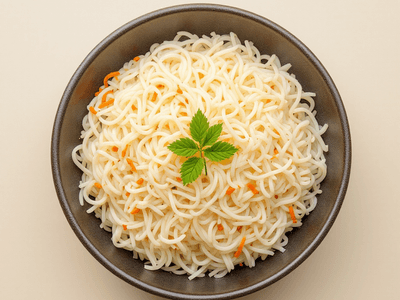
에 대해 Nurungji Cha
Scorched rice tea — after-meal digestive
How to Make Nurungji Cha (Traditional & Healthy Version)
Nurungji Cha, also known as scorched rice tea, is a beloved traditional Korean beverage made by simmering nurungji—the golden, crispy layer of rice found at the bottom of a cooked pot. This comforting drink has roots in Korea's agrarian history, where nothing was wasted and every grain was treasured. Nurungji Cha offers a unique taste that is both nutty and subtly sweet, providing warmth and nostalgia in every sip. It is commonly enjoyed after meals, often accompanied by banchan (small side dishes) and fermented foods like kimchi, which are staples of Korean dining culture. The tea is caffeine-free, making it a gentle option for all ages and a soothing way to finish a meal or start the day. Its simplicity reflects the essence of Korean cuisine—honoring ingredients and tradition. Nurungji Cha is highly regarded for its ability to aid digestion and evoke memories of family gatherings, making it a cherished drink throughout Korea.
재료(1 medium cup (240ml) per person 기준)
- 1 cup Cooked short-grain white rice (Bap (밥))
- 4 cups Filtered water (생수)
- 1 tbsp Roasted barley (optional, 보리) - 선택 사항
- 1/4 tsp Sea salt (천일염) - 선택 사항
- 1 small piece Dried kelp (다시마, optional for mineral boost) - 선택 사항
- 1 tsp Rice syrup (조청, optional for mild sweetness) - 선택 사항
- 1 thin slice Ginger (생강, optional for warmth) - 선택 사항
- 1 tsp Toasted sesame seeds (깨, garnish) - 선택 사항
조리 방법
- 1
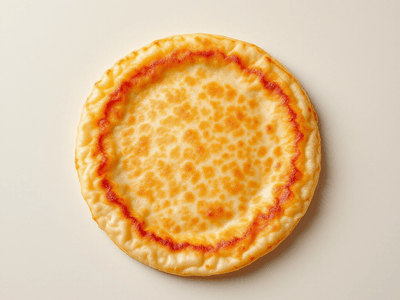
Spread cooked short-grain rice evenly in a non-stick pan. Cook over medium heat until the rice turns golden brown and crispy, forming nurungji. Avoid burning for the best flavor.
10 minutes
Use a spatula to gently press the rice for even browning.
- 2
Remove the crispy nurungji from the pan and let it cool slightly. Break it into smaller pieces for easier simmering.
2 minutes
Letting it cool makes it easier to handle and enhances texture.
- 3
In a pot, combine water, nurungji pieces, and optional roasted barley and dried kelp. Bring to a boil, then reduce heat and simmer.
12 minutes
Simmer gently to extract deep, nutty flavors without bitterness.
- 4
Add ginger slice and sea salt if desired. Simmer for an additional 5 minutes for added warmth and minerals.
5 minutes
Ginger adds subtle spice and digestive benefits.
이 음식이 건강한 이유
This dish is a healthy choice because it avoids processed sugars, is naturally low in calories, and offers a clean, whole-food profile. Nurungji Cha is gentle on the stomach, supports hydration, and delivers essential nutrients with minimal fat. It also aligns with plant-based and vegan diets, and its simple ingredients make it easy to digest. The traditional preparation honors mindful eating, which is associated with improved health in Korean culture.
Nurungji Cha is low in calories, fat-free, and naturally vegan, making it suitable for a variety of diets. Short-grain rice provides complex carbohydrates for sustained energy, while optional ingredients like barley and kelp add fiber, minerals, and antioxidants. Ginger supports digestive health and immune function. The tea is hydrating and free from caffeine, promoting gentle hydration and gut health. Sesame seeds contribute healthy fats and minerals. Overall, this beverage supplies vitamins B and E, magnesium, and trace minerals, supporting wellness.
팁
- 💡Tip 1: Use leftover rice from a previous meal to make authentic nurungji.
- 💡Tip 2: For a richer taste, lightly toast nurungji until golden but not burnt.
- 💡Tip 3: Pair with fermented banchan for a balanced and traditional Korean meal.
보관 및 제공
Store leftover Nurungji Cha in an airtight container in the refrigerator for up to 2 days. Reheat gently before serving. Avoid prolonged storage to preserve the tea's fresh flavor.
가장 잘 어울리는 때: Breakfast or Lunch
영양 성분
| 영양소 | 100g당 |
|---|---|
| 에너지 | 15.0 kcal |
| 단백질 | 0.0 g |
| 탄수화물 | 3.0 g |
| 총 지방 | 0.0 g |
| 식이섬유 | 0.0 g |