에 대해 Omija Cha
Five-flavor berry tea — sweet, sour, salty, bitter, spicy
How to Make Omija Cha (Traditional & Healthy Version)
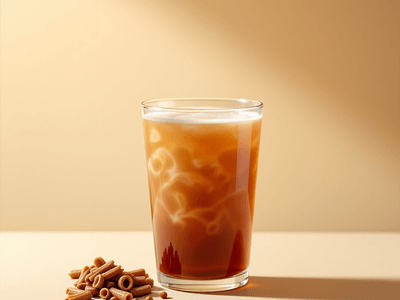
Omija Cha (오미자차), or Korean five-flavor berry tea, is a cherished traditional beverage celebrated across Korea for its vibrant taste and striking ruby hue. Originating from the use of omija, the dried fruit of the magnolia berry (Schisandra chinensis), this tea is enjoyed for its complex flavors—sweet, sour, salty, bitter, and pungent—all from a single berry. Omija Cha is often served during hot summers as a cooling drink or in the winter as a warming companion, reflecting the deep connection between Korean cuisine and nature’s seasonal rhythms. In Korea, tea culture is intertwined with the daily enjoyment of banchan and fermented foods, as both nourish the body and support balance. Omija Cha is caffeine-free, making it a popular choice for all ages, and is often prepared for guests or family gatherings as a symbol of hospitality and wellness. Its beautiful color and unique taste make Omija Cha both a visual and sensory delight. Traditionally, it is paired with light snacks or banchan, providing a refreshing palate cleanser between dishes. With its naturally vegan ingredients and customizable sweetness, this beverage aligns perfectly with modern health-conscious lifestyles. Whether served hot or as a chilled punch, Omija Cha is a testament to Korea’s heritage of functional foods and mindful eating.
재료(1 teacup (about 200ml) per person 기준)
- 3 tablespoons Dried omija berries (오미자)
- 500 ml Filtered water (for steeping)
- 1-2 teaspoons Honey or agave syrup (꿀, adjust to taste) - 선택 사항
- 2-3 thin slices Lemon slices (for garnish) - 선택 사항
- as needed Ice cubes (for cold version) - 선택 사항
- 1 teaspoon Pine nuts (잣, for garnish) - 선택 사항
- 2-3 slices Dried jujube slices (대추, for garnish) - 선택 사항
- a pinch Stevia (natural sweetener, optional) - 선택 사항
조리 방법
- 1
Rinse the dried omija berries under cold water to remove any impurities. Drain well.
2 minutes
Use a fine mesh sieve to avoid losing any small berries.
- 2
Place the rinsed omija into a clean teapot or glass jar. Add 500 ml of filtered water.
1 minute
Glass containers highlight the tea’s beautiful color.
- 3
Let the omija berries soak in the water at room temperature for 15-20 minutes until the water turns a vibrant pink-red.
15-20 minutes
For a stronger flavor, soak up to 2 hours or refrigerate overnight.
- 4
Strain the tea through a fine sieve or cheesecloth to remove the berries. Discard or compost the berries.
2 minutes
Press gently to extract maximum flavor without clouding the tea.
이 음식이 건강한 이유
This Korean five-flavor tea is a healthy beverage choice due to its minimal calories, absence of processed sugars (when prepared with natural sweeteners or unsweetened), and wealth of plant-based antioxidants. Its ingredients support heart health, digestion, and overall wellness. Omija Cha is also a great alternative to sugary sodas or caffeinated drinks, making it perfect for those monitoring weight or blood sugar.
Omija Cha is low in calories, naturally caffeine-free, and rich in antioxidants, vitamins (notably vitamin C), and lignans from the magnolia berry. These compounds support immune health, liver detoxification, and may help reduce inflammation. The tea provides hydration and trace minerals, especially when garnished with pine nuts and jujube. With no saturated fat, cholesterol, or gluten, it’s suitable for vegan and vegetarian diets, and can be sweetened naturally for lower glycemic impact.
팁
- 💡For the most vibrant color, use freshly harvested omija berries if available.
- 💡Soak omija overnight in the refrigerator for deeper flavor and more antioxidants.
- 💡Garnish with pine nuts or jujube slices for authentic presentation and extra nutrients.
보관 및 제공
Store prepared Omija Cha in a sealed glass jar in the refrigerator for up to 3 days. Serve chilled or gently reheat without boiling. Avoid long exposure to air to preserve color and nutrients.
가장 잘 어울리는 때: Breakfast or Lunch
영양 성분
| 영양소 | 100g당 |
|---|---|
| 에너지 | 35.0 kcal |
| 단백질 | 0.0 g |
| 탄수화물 | 8.0 g |
| 총 지방 | 0.0 g |
| 식이섬유 | 0.0 g |