에 대해 Dakgalbi
Chuncheon spicy stir-fried chicken with cabbage
How to Make Dakgalbi (Traditional & Healthy Version)
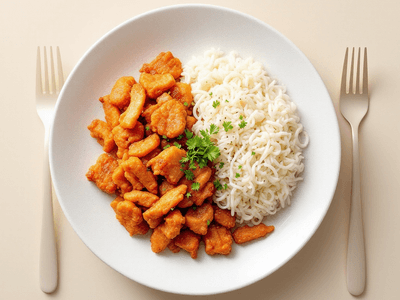
Dakgalbi (닭갈비) is a beloved Korean stir-fried chicken dish originating from Chuncheon in the Gangwon Province. Known for its bold, spicy flavors and vibrant colors, Dakgalbi brings together tender boneless chicken with a medley of fresh vegetables, all tossed in a signature gochujang-based marinade. Traditionally cooked on a large hot plate at the center of the table, this meal is as much about the communal dining experience as it is about the food itself. Dakgalbi is often enjoyed with a variety of banchan (Korean side dishes) and pairs wonderfully with fermented foods such as kimchi, which enhance both the taste and digestive benefits of the meal. The dish’s spicy, savory, and slightly sweet notes make it deeply satisfying, while its vegetable content ensures a balanced nutritional profile. Whether shared among friends or enjoyed as a comforting family dinner, Dakgalbi captures the heart of Korea’s food culture: communal, flavorful, and healthful.
재료(1 generous plate (about 350g cooked Dakgalbi per person) 기준)
- 300g Boneless skinless chicken thigh (Dak)
- 2 cups, chopped Cabbage (Baechu)
- 1 small, peeled & sliced Sweet potato (Goguma)
- 1/2 medium, sliced Carrot (Danggeun)
- 1/2 medium, sliced Onion (Yangpa)
- 2 stalks, chopped Green onion (Pa)
- 2 tbsp Gochujang (Korean red chili paste)
- 1 tbsp Gochugaru (Korean red chili flakes)
- 1 tbsp Low-sodium soy sauce (Ganjang)
- 3 cloves, minced Garlic (Manul)
- 1/2 tsp, grated Ginger (Saenggang)
- 1 tsp Rice syrup or honey (Jocheong (optional for mild sweetness)) - 선택 사항
- 1/2 tbsp Sesame oil (Chamgireum)
- 2, sliced Fresh perilla leaves (Kkaennip (optional)) - 선택 사항
조리 방법
- 1
Cut the boneless chicken thigh into bite-sized pieces. Prepare and slice all vegetables: cabbage, sweet potato, carrot, onion, and green onion.
5 minutes
Uniformly sized pieces ensure even cooking.
- 2
In a mixing bowl, combine gochujang, gochugaru, soy sauce, minced garlic, ginger, rice syrup or honey (if using), and sesame oil to make the marinade.
3 minutes
Adjust gochugaru for desired spice level.
- 3
Add chicken pieces to the marinade and mix well. Let it rest for at least 10 minutes to enhance flavor.
10 minutes
Marinate longer in the refrigerator for deeper flavor.
- 4
Heat a large non-stick skillet or pan over medium-high heat. Add marinated chicken and all vegetables (except perilla leaves) to the pan.
2 minutes
No extra oil is needed if using a non-stick pan and sesame oil in the marinade.
이 음식이 건강한 이유
This healthy Dakgalbi recipe is packed with lean protein and plenty of fiber-rich vegetables, supporting balanced blood sugar and satiety. By stir-frying instead of deep-frying, and using low-sodium soy sauce, the sodium and fat content are kept in check. The inclusion of fermented banchan like kimchi adds probiotics for gut health, making this a well-rounded, nutritious meal ideal for weight management and overall wellness.
Dakgalbi is a protein-rich dish with lean chicken thigh providing essential amino acids for muscle repair and satiety. The assortment of vegetables—cabbage, sweet potato, carrot, and onion—brings fiber, vitamins A and C, potassium, and antioxidants to the meal. Using gochujang and gochugaru not only imparts signature flavor but also offers capsaicin, which supports metabolism. This dish is relatively low in saturated fat, especially when using skinless chicken and minimal oil, making it suitable for calorie-conscious diets.
팁
- 💡Tip 1: Marinate the chicken overnight for deeper flavor.
- 💡Tip 2: Stir-fry over high heat to keep the vegetables crisp.
- 💡Tip 3: Add a handful of cooked rice to the pan at the end to make Dakgalbi Bokkeumbap (fried rice) with leftover sauce.
보관 및 제공
Store any leftovers in an airtight container in the refrigerator for up to 2 days. Reheat in a skillet over medium heat until warmed through. For best texture, avoid freezing as vegetables may become mushy.
가장 잘 어울리는 때: Lunch
영양 성분
| 영양소 | 100g당 |
|---|---|
| 에너지 | 160.0 kcal |
| 단백질 | 16.0 g |
| 탄수화물 | 10.0 g |
| 총 지방 | 7.0 g |
| 식이섬유 | 1.0 g |