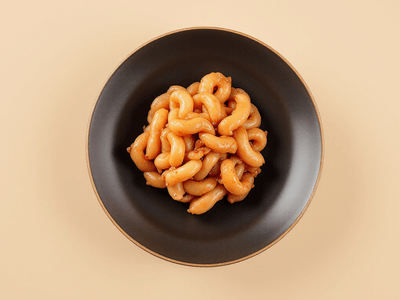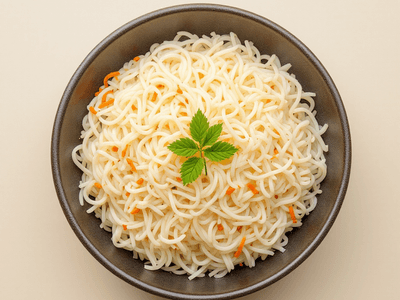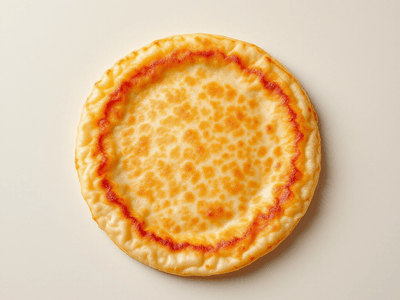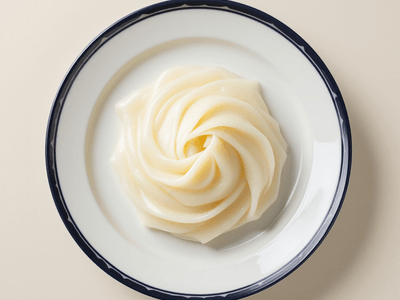
에 대해 Gangjeong
Puffed rice candy — crunchy and sweet
How to Make Gangjeong (Traditional & Healthy Version)
Gangjeong (강정) is a beloved traditional Korean dessert, often enjoyed during festive occasions and family gatherings. Made primarily from glutinous rice flour and coated with a sweet syrup, Gangjeong is prized for its light, crisp texture and delicate sweetness. This dessert has deep roots in Korea's culinary heritage, frequently appearing in royal court cuisine and Buddhist vegetarian temple meals. Its vibrant appearance and satisfying crunch make it a popular choice on celebratory tables, particularly during major holidays like Chuseok (Korean harvest festival) and Lunar New Year. Gangjeong is a staple in the world of Korean banchan (side dishes), though it is served as a dessert rather than an accompaniment to savory meals. It reflects Korea's love for fermented foods and natural ingredients, often incorporating nuts, seeds, and grains that highlight the country's agricultural bounty. In modern health-conscious kitchens, Gangjeong is celebrated for its plant-based, vegan-friendly profile and the ability to adapt its ingredients for lower-calorie versions. Its subtle sweetness and satisfying texture make it a great alternative to processed snacks, providing a taste of Korean tradition with a healthy twist.
재료(1 small plate (approx. 8 pieces) 기준)
- 1 cup Glutinous rice flour (chapssal-garu (찹쌀가루))
- 1/2 cup Water (filtered)
- 1/4 cup Brown rice syrup (yeot (엿))
- 2 tbsp Roasted sesame seeds (geomjeong kkae (검정깨))
- 2 tbsp Roasted walnuts (hodu (호두))
- 2 tbsp Roasted pumpkin seeds (hobakssi (호박씨))
- 1/4 tsp Salt (fine sea salt)
- 2 tbsp Sunflower oil (for shallow frying)
- 1/2 tsp Cinnamon powder (optional for flavor) - 선택 사항
- 2 tbsp Dried fruit bits (optional garnish (e.g., dried jujube)) - 선택 사항
조리 방법
- 1
Mix glutinous rice flour, salt, and water in a bowl to form a smooth, soft dough.
5 minutes
Ensure the dough is not too wet; it should hold shape without sticking excessively.
- 2
Shape the dough into small rectangles or squares (about 1 inch each).
5 minutes
Wet your hands lightly to prevent sticking while shaping.
- 3
Heat sunflower oil in a pan over medium heat. Shallow fry the pieces until lightly golden and crisp on all sides.
7 minutes
Don’t overcrowd the pan; fry in batches for even cooking.
- 4
Remove fried Gangjeong and drain excess oil on paper towels.
2 minutes
Cooling on a wire rack helps maintain crispness.
이 음식이 건강한 이유
This healthy Gangjeong recipe avoids refined sugars and deep frying, using plant-based ingredients and nutrient-dense toppings. The dessert is gluten-free and can be adapted for various health goals. Its moderate calorie content and absence of animal products make it ideal for vegan and vegetarian diets. Incorporating nuts and seeds boosts its nutritional value, making it a smart alternative to conventional sweets. With balanced macros and natural flavors, Gangjeong supports a mindful approach to Korean snacking.
Gangjeong is naturally vegan and vegetarian, making it suitable for a wide range of dietary needs. Glutinous rice flour provides energy through complex carbohydrates, while nuts and seeds offer healthy fats, plant-based protein, and minerals like magnesium, zinc, and vitamin E. Brown rice syrup is a less processed sweetener, minimizing blood sugar spikes compared to refined sugars. The use of sunflower oil for shallow frying limits saturated fat intake. This dessert is rich in antioxidants from sesame seeds and walnuts, supporting heart health and overall wellbeing.
팁
- 💡Tip 1: Use fresh nuts and seeds for best flavor and maximum crunch.
- 💡Tip 2: Let Gangjeong cool completely before storing to prevent stickiness.
- 💡Tip 3: Experiment with toppings like black sesame, pine nuts, or dried jujube for traditional flair.
보관 및 제공
Store Gangjeong in an airtight container at room temperature for up to 5 days. Avoid exposure to moisture to preserve crispness.
가장 잘 어울리는 때: Breakfast or Lunch
영양 성분
| 영양소 | 100g당 |
|---|---|
| 에너지 | 280.0 kcal |
| 단백질 | 3.0 g |
| 탄수화물 | 42.0 g |
| 총 지방 | 12.0 g |
| 식이섬유 | 1.0 g |