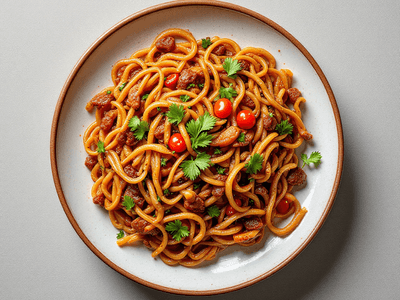
에 대해 Ganjjajang
Dry jjajangmyeon — thicker sauce, no broth
How to Make Ganjjajang (Traditional & Healthy Version)
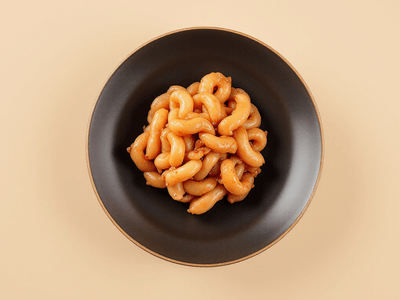
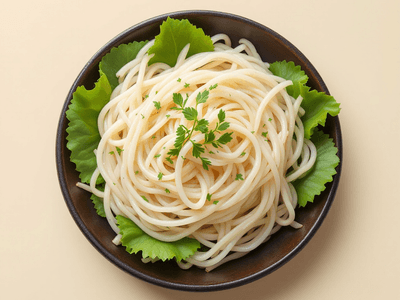
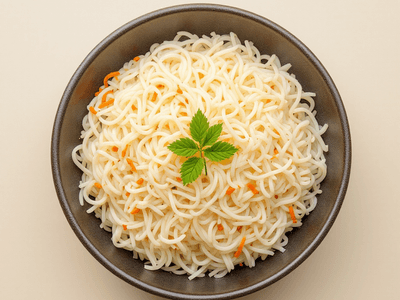
Ganjjajang (간짜장) is a beloved Korean noodle dish that features a rich, savory black bean sauce known as jjajang, served over chewy wheat noodles. Unlike the regular jjajangmyeon, Ganjjajang is characterized by its simple, less saucy yet deeply flavorful profile. It is often made to order in Korea, with the sauce stir-fried and served immediately, making it fresher and more aromatic. This dish originated from Korea's adaptation of Chinese-style black bean noodles but has evolved to reflect Korean tastes and ingredients. The taste of Ganjjajang is complex and umami-rich, with the signature fermented black bean paste (chunjang, 춘장) lending a deep, earthy flavor. The dish is typically topped with diced pork, onions, and vegetables, making it hearty and satisfying. Ganjjajang is commonly enjoyed in Korean homes and at traditional noodle houses, often accompanied by tangy kimchi and other banchan (side dishes) to balance the flavors and add a probiotic boost. Ganjjajang is perfect for those seeking an authentic taste of Korean comfort food. Its unique blend of fermented ingredients, lean protein, and fresh vegetables makes it a flavorful and healthy choice for lunch or a light dinner. The dish is a celebration of Korean culinary culture, emphasizing community dining and the importance of balanced, nutritious meals.
재료(1 bowl (about 1.5 cups noodles with sauce) 기준)
- 200g Fresh wheat noodles (jjajangmyeon, 짜장면) (can substitute with whole wheat noodles for more fiber)
- 100g Pork loin (finely diced)
- 2 tablespoons Chunjang (Korean black bean paste, 춘장) (fermented paste, essential for authentic flavor)
- 1 medium Onion (diced)
- 1/2 small Zucchini (diced)
- 1/2 small Potato (peeled and diced)
- 1/4 medium Carrot (diced)
- 2 cloves Garlic (minced)
- 1 tablespoon Low-sodium soy sauce (for seasoning)
- 1 tablespoon Vegetable oil (for stir-frying)
- 1/2 cup Water (for sauce consistency)
- A few slices Cucumber (for garnish) - 선택 사항
조리 방법
- 1
Prepare all vegetables by dicing the onion, zucchini, potato, and carrot. Mince the garlic and cut the pork loin into small cubes.
5 minutes
Uniform dice ensures even cooking and a better mouthfeel.
- 2
Heat vegetable oil in a wok or deep pan over medium-high heat. Add pork and stir-fry until slightly browned.
3 minutes
Use lean cuts to reduce fat content.
- 3
Add garlic and onions to the pan. Stir-fry until onions are translucent and fragrant.
2 minutes
Do not let garlic burn for best flavor.
- 4
Add zucchini, potato, and carrot. Stir-fry for 2-3 minutes until the vegetables soften slightly.
3 minutes
Keep vegetables slightly crisp for more texture and nutrients.
이 음식이 건강한 이유
This healthy Ganjjajang recipe prioritizes whole, minimally processed ingredients and incorporates plenty of vegetables, reducing overall calorie density. By stir-frying instead of deep-frying and utilizing lean pork, the dish is lower in unhealthy fats. Fermented chunjang and banchan accompaniments like kimchi support gut health, making this a nutritious and well-rounded meal that fits into a balanced Korean diet.
Ganjjajang is a balanced dish providing lean protein from pork, complex carbohydrates from wheat noodles, and vitamins and minerals from a variety of vegetables like zucchini, carrots, and potatoes. The use of chunjang, a fermented black bean paste, introduces beneficial probiotics and antioxidants. By using minimal oil and lean cuts of meat, this recipe is lower in saturated fat, making it a heart-healthy option. The dish also offers dietary fiber, potassium, and vitamin C.
팁
- 💡Tip 1: Always fry chunjang before adding water to remove bitterness.
- 💡Tip 2: Cut vegetables and pork into uniform pieces for even cooking.
- 💡Tip 3: Serve with kimchi or kkakdugi to add a probiotic, tangy contrast.
보관 및 제공
Store leftover sauce in an airtight container in the refrigerator for up to 2 days. Noodles are best cooked fresh, but can be refrigerated separately for 1 day. Reheat sauce gently on the stove before serving.
가장 잘 어울리는 때: Lunch
영양 성분
| 영양소 | 100g당 |
|---|---|
| 에너지 | 170.0 kcal |
| 단백질 | 7.0 g |
| 탄수화물 | 24.0 g |
| 총 지방 | 5.0 g |
| 식이섬유 | 1.0 g |