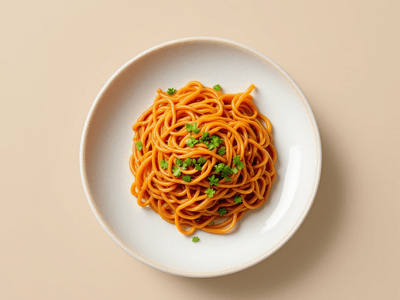
에 대해 Jjajang Ramyeon
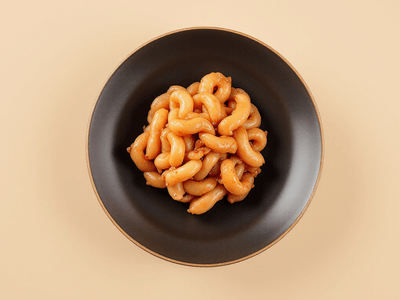
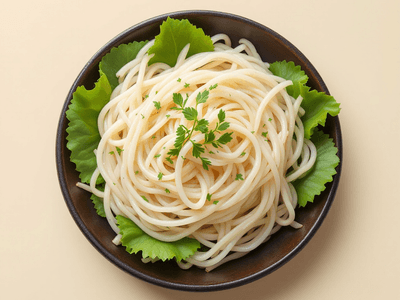
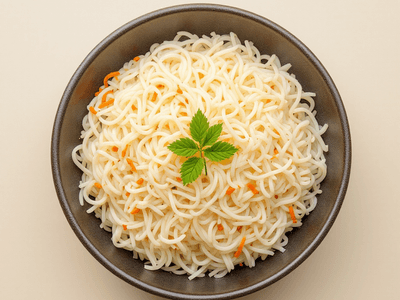
Black bean sauce instant noodles
How to Make Jjajang Ramyeon (Traditional & Healthy Version)
Jjajang Ramyeon is a beloved Korean noodle dish inspired by the classic Jjajangmyeon, featuring chewy ramyeon noodles tossed in a rich, savory black bean sauce (jjajang). Traditionally enjoyed as a quick meal, Jjajang Ramyeon combines the umami flavors of fermented black bean paste (chunjang), pork, and fresh vegetables. The dish is a staple in Korea’s fast-paced urban culture, often served with a variety of banchan (side dishes) such as kimchi or pickled radish, which add vibrant flavors and balance to the meal. Originating from Korea’s adaptation of Chinese-style noodles, Jjajang Ramyeon has become an iconic comfort food, particularly in Seoul and urban centers. Its deep, earthy taste and hearty texture make it a favorite for both young and old. The dish’s popularity is also tied to its versatility—perfect for sharing, easy to customize, and a great way to incorporate fermented foods for gut health. With a healthier take on the traditional recipe, this version is lighter in calories and fat, making it ideal for health-conscious eaters while preserving authentic Korean flavors.
재료(1 bowl (approximately 350g per serving, traditional Korean portion) 기준)
- 2 packs (160g) Ramyeon noodles (Korean instant noodles or fresh ramyeon)
- 100g Pork loin (Thinly sliced, 돼지고기)
- 2 tablespoons Chunjang (Korean black bean paste) (춘장, fermented)
- 1 medium (100g) Onion (양파, diced)
- 1/2 cup (50g) Zucchini (호박, diced)
- 1/2 cup (40g) Carrot (당근, diced)
- 3 cloves Garlic (다진 마늘, minced)
- 1 tablespoon Low-sodium soy sauce (간장)
- 1 cup Vegetable broth (채소 육수)
- 1 teaspoon Sugar (설탕, optional for balance) - 선택 사항
- 1 teaspoon Sesame oil (참기름)
- 2 stalks Green onion (파, sliced for garnish) - 선택 사항
조리 방법
- 1
Prepare all vegetables by dicing onion, zucchini, and carrot. Mince garlic and slice green onion for garnish.
5 minutes
Cut vegetables into small, uniform pieces for even cooking.
- 2
Heat a nonstick skillet over medium heat. Add sesame oil and stir-fry minced garlic until fragrant, then add pork loin and cook until lightly browned.
5 minutes
Use lean pork to reduce fat content.
- 3
Add diced onion, zucchini, and carrot to the skillet. Stir-fry until vegetables are slightly softened.
4 minutes
Keep the heat at medium to preserve nutrients.
- 4
Stir in chunjang and low-sodium soy sauce. Add sugar if desired. Mix well to coat all ingredients.
3 minutes
For a deeper flavor, sauté chunjang for an extra minute before mixing.
이 음식이 건강한 이유
This healthy version of Jjajang Ramyeon limits saturated fats by using lean pork and minimal sesame oil. Incorporating vegetables increases fiber and micronutrient content, and using low-sodium soy sauce helps manage salt intake. Fermented chunjang and banchan contribute to digestive health, aligning with traditional Korean dietary practices. The recipe is portion-controlled and adaptable for various diets, making it a nutritious choice for those tracking calories or seeking balanced meals.
Jjajang Ramyeon contains a balanced mix of protein from lean pork, complex carbohydrates from ramyeon noodles, and vitamins from fresh vegetables like onion, zucchini, and carrot. Chunjang provides beneficial fermented compounds for gut health, while sesame oil adds healthy unsaturated fats. The inclusion of vegetable broth and low-sodium soy sauce keeps sodium levels moderate. This dish offers dietary fiber, vitamin A, vitamin C, and essential minerals, making it a wholesome meal when paired with banchan such as kimchi for probiotics.
팁
- 💡Tip 1: Use fresh ramyeon noodles for best texture and flavor.
- 💡Tip 2: Sauté chunjang briefly for a richer, less bitter taste.
- 💡Tip 3: Pair with kimchi or pickled radish to balance the savory flavors and aid digestion.
보관 및 제공
Store leftover noodles and sauce separately in airtight containers in the refrigerator for up to 2 days. Reheat gently on the stovetop, adding a splash of broth if needed to loosen the sauce.
가장 잘 어울리는 때: Lunch
영양 성분
| 영양소 | 100g당 |
|---|---|
| 에너지 | 160.0 kcal |
| 단백질 | 5.0 g |
| 탄수화물 | 24.0 g |
| 총 지방 | 5.0 g |
| 식이섬유 | 1.0 g |