에 대해 Jjamjjamyeon
Half jjajang, half jjamppong — best of both
How to Make Jjamjjamyeon (Traditional & Healthy Version)
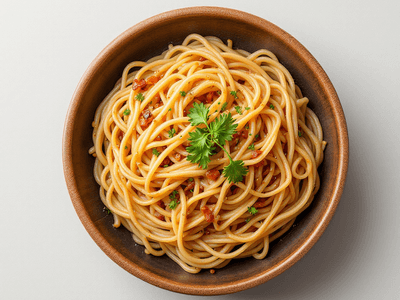
Jjamjjamyeon is a beloved Korean noodle dish that combines the best of two iconic favorites: Jjambbong (spicy seafood noodle soup) and Jjajangmyeon (black bean sauce noodles). Originating from Korean-Chinese restaurants, Jjamjjamyeon is a hearty meal that offers a harmonious blend of savory, spicy, and umami flavors, making it a popular choice among noodle lovers in Korea. The dish is perfect for those who can't decide between the bold, fiery taste of Jjambbong and the rich, deep flavors of Jjajangmyeon. Korean cuisine is celebrated for its balance of flavors, and Jjamjjamyeon is a testament to this culinary philosophy. Served with an array of banchan (side dishes) such as kimchi and pickled radish, this noodle dish is both comforting and nourishing. Fermented foods like kimchi, which often accompany Jjamjjamyeon, add depth and probiotics, contributing to gut health. Enjoying Jjamjjamyeon is a cultural experience that brings together communal dining and the lively spirit of Korean households and restaurants. The taste of Jjamjjamyeon is as rich in history as it is in flavor. It's a great choice for those seeking an authentic Korean meal that's satisfying yet can be adapted to meet healthy eating goals. Whether enjoyed on a chilly evening or shared with friends, Jjamjjamyeon brings the warmth and communal joy that define Korean dining traditions.
재료(1 large bowl (approx. 400g) per person 기준)
- 200g Fresh wheat noodles (Use 'guksu' or udon-style Korean noodles)
- 80g Peeled shrimp (Saewoo (새우), cleaned)
- 60g Sliced pork loin (Thinly sliced)
- 1 cup Cabbage (Napa, sliced)
- 1/2 cup Zucchini (Julienned)
- 1/2 cup Onion (Sliced)
- 1/4 cup Carrot (Julienned)
- 2 tbsp Black bean paste (chunjang) (For Jjajang sauce)
- 1 tbsp Gochugaru (Korean red pepper flakes) (For spicy broth)
- 1 tbsp Low-sodium soy sauce
- 2 cloves Garlic (Minced)
- 3 cups Vegetable broth (Homemade or low-sodium)
- 2 stalks Green onion (Chopped, for garnish) - 선택 사항
- 1 tsp Sesame oil (For flavor) - 선택 사항
조리 방법
- 1
Prepare all vegetables by slicing cabbage, zucchini, onion, and carrot. Mince garlic and chop green onion for garnish.
5 minutes
Use a mandoline slicer for even vegetables.
- 2
Heat a non-stick pan over medium heat. Add sliced pork loin and cook until lightly browned. Add minced garlic and stir-fry for 1 minute.
4 minutes
Trim visible fat from pork for a leaner dish.
- 3
Add shrimp and all vegetables (cabbage, zucchini, onion, carrot) to the pan. Stir-fry for 2-3 minutes until just tender.
3 minutes
Do not overcook shrimp to retain juiciness.
- 4
Divide the mixture into two portions. To one half, add black bean paste (chunjang) and a splash of water. Stir-fry for 2 minutes to create a thick jjajang sauce.
2 minutes
Fry chunjang gently to remove bitterness.
이 음식이 건강한 이유
This healthy Jjamjjamyeon recipe is a great option for calorie-conscious eaters due to its high vegetable content, lean protein sources, and use of low-sodium ingredients. The inclusion of fermented foods, such as kimchi banchan, supports gut health and digestion. By avoiding excessive oil and balancing both jjajang and jjambbong components, this dish fits seamlessly into a nutritious Korean meal plan.
Jjamjjamyeon is rich in protein from pork and shrimp, and provides an array of vitamins and minerals from the assortment of vegetables, including vitamin C, potassium, and fiber. The use of fermented black bean paste and gochugaru introduces antioxidants. Choosing low-sodium soy sauce and vegetable broth helps manage sodium intake. The dish is relatively balanced in macros, especially if prepared with lean cuts of meat and plenty of vegetables.
팁
- 💡Tip 1: Always use fresh noodles for the best texture.
- 💡Tip 2: Pre-cook all vegetables slightly to maintain their crunch.
- 💡Tip 3: Adjust the ratio of sauces according to your taste preference.
보관 및 제공
Store leftover noodles and sauces separately in airtight containers in the refrigerator for up to 2 days. Reheat sauces gently and cook fresh noodles for best texture.
가장 잘 어울리는 때: Lunch
영양 성분
| 영양소 | 100g당 |
|---|---|
| 에너지 | 165.0 kcal |
| 단백질 | 7.0 g |
| 탄수화물 | 24.0 g |
| 총 지방 | 5.0 g |
| 식이섬유 | 1.0 g |