에 대해 Jjamppong
Spicy seafood noodle soup — Korean-Chinese classic
How to Make Jjamppong (Traditional & Healthy Version)
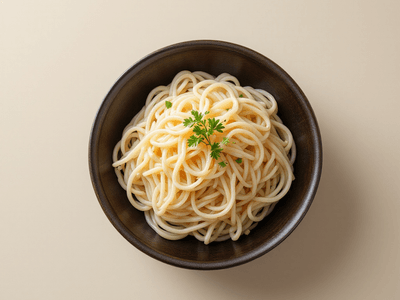
Jjamppong (짬뽕) is a vibrant and spicy Korean noodle soup that showcases the harmony of land and sea, brimming with fresh seafood, crisp vegetables, and hearty noodles. Originating from Korea’s vibrant port cities, Jjamppong is renowned for its deep-red, gochugaru-spiced broth and its satisfying combination of textures and flavors. Traditionally enjoyed as a comforting meal, it's a staple in Korean-Chinese restaurants and has become a beloved dish across Korea for its warming qualities and bold, umami-packed taste. This dish is more than just a meal; it embodies Korea’s communal dining culture, often served alongside banchan (반찬)—assorted side dishes—and sometimes with kimchi to complement its spicy profile. The inclusion of fermented foods like kimchi not only adds complexity but also enhances digestion. Jjamppong is perfect for those seeking a nourishing, flavorful, and healthy meal, especially given its high protein and vegetable content, making it a satisfying choice for lunch or dinner. Its adaptability allows it to suit a variety of dietary needs while retaining its authentic flair.
재료(1 large soup bowl per person 기준)
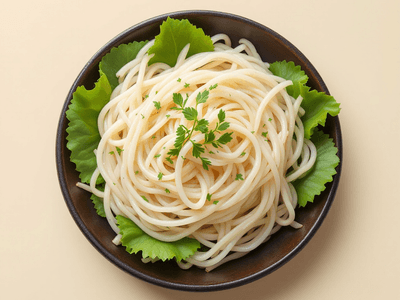
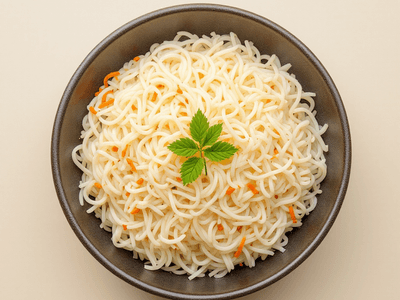
- 180g Korean wheat noodles (칼국수 or jjamppong noodles)
- 80g Squid (오징어, cleaned and sliced)
- 80g Shrimp (peeled and deveined)
- 60g Mussels (홍합, cleaned)
- 1/2 medium Onion (thinly sliced)
- 1/2 medium Carrot (julienned)
- 1 cup Napa cabbage (배추, chopped)
- 1/2 small Zucchini (half-moon slices)
- 3 cloves Garlic (minced)
- 1.5 tbsp Gochugaru (Korean chili flakes) (고추가루)
- 1 tbsp Gochujang (Korean chili paste) (고추장)
- 1.5 tbsp Low-sodium soy sauce (진간장)
- 1 tsp Sesame oil (참기름)
- 4 cups Vegetable broth (unsalted)
- 2 stalks Green onions (sliced) - 선택 사항
조리 방법
- 1
Prepare all vegetables and seafood: slice onion, julienne carrot, chop napa cabbage, slice zucchini, mince garlic, and clean seafood.
5 minutes
Keep seafood cold for freshness and prep all vegetables in advance for a smooth workflow.
- 2
In a large pot, heat sesame oil over medium heat. Add garlic, onion, and gochugaru. Stir-fry until fragrant and onion softens.
3 minutes
Stir constantly to prevent chili flakes from burning, which can cause bitterness.
- 3
Add carrot, cabbage, and zucchini. Stir-fry for another 2 minutes until vegetables are slightly tender.
2 minutes
Do not overcook vegetables; they should remain crisp for texture.
- 4
Stir in gochujang and soy sauce, then add vegetable broth. Bring to a boil.
5 minutes
Mix gochujang thoroughly to avoid clumps and ensure a smooth broth.
이 음식이 건강한 이유
This version of Jjamppong uses lean seafood and an abundance of fresh vegetables, making it rich in protein, fiber, and essential vitamins. The spicy broth is light yet flavorful, avoiding excess oil and minimizing sodium through low-sodium soy sauce and unsalted broth. The inclusion of fermented foods, such as kimchi served as banchan, supports gut health and digestion. Overall, it’s a wholesome, satisfying dish that fits well into a health-conscious lifestyle.
Jjamppong is packed with lean protein from seafood like shrimp, squid, and mussels, supporting muscle health and metabolism. The dish features a medley of vegetables such as napa cabbage, zucchini, and carrots, which provide dietary fiber, vitamins A and C, potassium, and antioxidants. Gochugaru and gochujang offer capsaicin, which may boost metabolism. Using a vegetable-based broth and minimizing oil keeps the fat content moderate. This balanced meal delivers complex carbs from noodles, a good amount of protein, and essential micronutrients.
팁
- 💡Tip 1: Always add seafood at the end to prevent overcooking.
- 💡Tip 2: For deeper broth flavor, simmer dried kelp (dashima) and anchovies in the broth before adding vegetables.
- 💡Tip 3: Adjust spice level by varying gochugaru and gochujang to taste.
보관 및 제공
Store leftover soup and noodles separately in airtight containers. Refrigerate for up to 2 days. Reheat soup thoroughly and briefly dip noodles in hot water before serving to restore texture.
가장 잘 어울리는 때: Lunch
영양 성분
| 영양소 | 100g당 |
|---|---|
| 에너지 | 145.0 kcal |
| 단백질 | 8.0 g |
| 탄수화물 | 20.0 g |
| 총 지방 | 4.0 g |
| 식이섬유 | 1.0 g |