에 대해 Kongguksu
Cold soy milk noodles — summer specialty
How to Make Kongguksu (Traditional & Healthy Version)
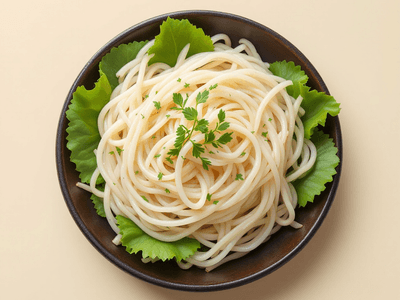
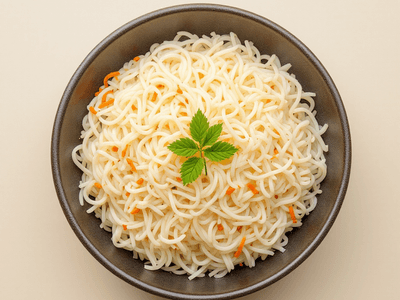
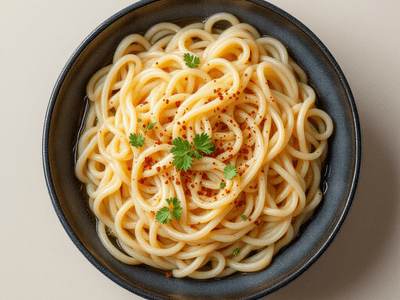
Kongguksu (콩국수) is a cherished Korean noodle dish featuring chilled soy milk broth and chewy somyeon (wheat noodles). Traditionally enjoyed during Korea’s hot summers, Kongguksu is beloved for its refreshing, nutty flavor and light, satisfying profile. Its origins date back to the Goryeo Dynasty, and it remains a staple in many Korean homes and local eateries. The dish is naturally vegan, making it perfect for those seeking plant-based Korean recipes. Kongguksu beautifully showcases the balance and simplicity found in traditional Korean cuisine. Often served alongside classic banchan (side dishes) like kimchi and pickled radish, it highlights the role of fermented foods in a complete Korean meal. The creamy soy broth is lightly seasoned, letting the pure taste of soybeans shine, while fresh vegetables add crunch and color. This health-conscious version of Kongguksu is designed for calorie trackers, offering a hearty yet low-fat option that’s high in plant protein and perfect for summer meals.
재료(1 medium bowl (typical single serving in Korea) 기준)
- 1 cup Dried soybeans (콩 (Kong), soaked overnight)
- 180g Somyeon (thin wheat noodles) (소면)
- 1/2 Cucumber (julienned)
- 4-6 Cherry tomatoes (halved)
- 1 tbsp Roasted sesame seeds (for garnish)
- to taste Salt
- 2-2.5 cups Cold water (for blending and adjusting broth texture)
- a few Ice cubes (optional, for extra chill) - 선택 사항
- 1 stalk Green onion (finely sliced, garnish) - 선택 사항
조리 방법
- 1
Soak the dried soybeans in plenty of water overnight (at least 8 hours) to ensure they are fully hydrated.
5 minutes
Proper soaking softens soybeans for a smoother broth.
- 2
Drain and rinse the soaked soybeans. Place them in a pot, cover with fresh water, and bring to a boil. Reduce heat and simmer for 8-10 minutes until tender.
10 minutes
Skim any foam for a cleaner taste.
- 3
Drain the cooked soybeans and rinse in cold water. Remove as many skins as possible by gently rubbing beans between your hands for a less gritty broth.
3 minutes
Removing skins yields a silkier texture.
- 4
Transfer soybeans to a blender. Add cold water (start with 2 cups) and a pinch of salt. Blend until completely smooth and creamy. Chill in the fridge.
5 minutes
Strain through cheesecloth for ultra-smooth kongguksu broth.
이 음식이 건강한 이유
This traditional Kongguksu recipe is a smart choice for healthy eaters. The soy milk broth is nutrient-dense and filling, while somyeon noodles provide energy without excess fat. Minimal oil, no animal products, and plenty of fresh produce make it an ideal meal for weight management, heart health, and overall wellness. Served with fermented banchan, it supports gut health and balanced nutrition.
Kongguksu is naturally rich in plant-based protein and fiber from soybeans, making it a heart-healthy meal. It contains essential amino acids, vitamins like B1 and B2, and minerals such as calcium and iron. The inclusion of fresh vegetables adds antioxidants and micronutrients. This dish is low in saturated fat and cholesterol-free, suitable for those tracking calories or following a vegan or vegetarian diet.
팁
- 💡Tip 1: Use high-quality, non-GMO soybeans for the best flavor and nutrition.
- 💡Tip 2: Chill all components well before assembly for maximum refreshment.
- 💡Tip 3: Serve with homemade kimchi for an authentic Korean meal experience.
보관 및 제공
Store the soy milk broth separately from noodles in airtight containers. Keep broth refrigerated for up to 2 days. Noodles should be kept cold and consumed the same day for best texture. Assemble just before serving.
가장 잘 어울리는 때: Breakfast or Lunch
영양 성분
| 영양소 | 100g당 |
|---|---|
| 에너지 | 130.0 kcal |
| 단백질 | 8.0 g |
| 탄수화물 | 18.0 g |
| 총 지방 | 4.0 g |
| 식이섬유 | 2.0 g |