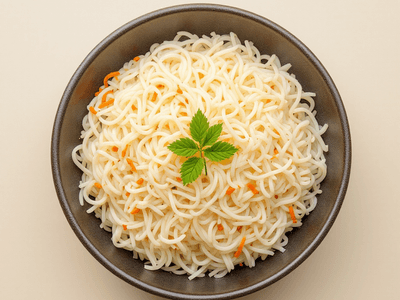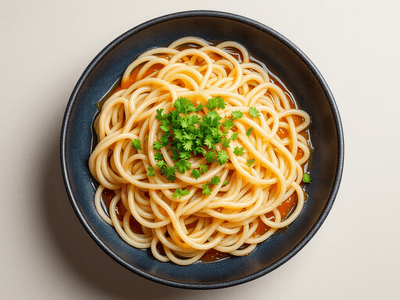
에 대해 Mak Guksu
Chuncheon buckwheat noodles
How to Make Mak Guksu (Traditional & Healthy Version)
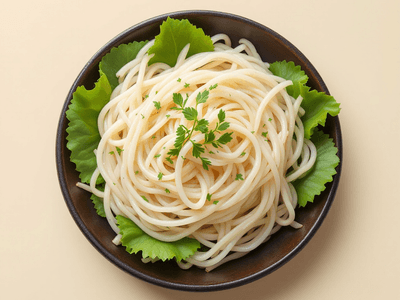
Mak Guksu, a beloved Korean buckwheat noodle dish, hails from the Gangwon-do region and is famous for its refreshing, tangy, and savory flavors. Traditionally enjoyed in the summer, Mak Guksu combines chewy mak noodles made from buckwheat with a cold, flavorful broth, topped with julienned vegetables and a portion of marinated beef or pork. This dish is deeply rooted in Korean food culture, often served with banchan (side dishes) and kimchi, as part of communal meals. Its popularity stems from the use of wholesome ingredients and the balance of textures and tastes, making it a satisfying yet light meal. Mak Guksu is a celebration of Korea’s agricultural heritage, especially in regions known for buckwheat cultivation. The dish’s unique broth, often enhanced with dongchimi (radish water kimchi) or vinegar, delivers a crisp acidity that pairs beautifully with the earthy noodles. The addition of protein and fermented foods adds depth and nutritional value, making Mak Guksu a great choice for those seeking authentic Korean flavors while maintaining a health-conscious lifestyle. Whether served at home or in traditional noodle houses, Mak Guksu embodies the spirit of Korean communal dining and the importance of seasonal, local ingredients. For calorie-conscious eaters, Mak Guksu is an excellent option, offering lean protein, complex carbohydrates, and a variety of vitamins from fresh vegetables. Its cold, broth-based nature makes it perfect for lunch or a light dinner, and the inclusion of fermented foods like kimchi supports digestive health. The dish is not only a staple in Gangwon-do but is also enjoyed throughout Korea, especially during warmer months, highlighting the versatility and enduring appeal of Korean noodle cuisine.
재료(1 large bowl (traditional Korean noodle portion) 기준)
- 200g Buckwheat noodles (makguksu) (메밀국수, traditional Korean buckwheat noodles)
- 100g Beef (sirloin or brisket) (Thinly sliced, can substitute pork)
- 1/2 Cucumber (Julienned)
- 1/2 Carrot (Julienned)
- 1/2 cup Kimchi (Baechu kimchi, chopped)
- 1 cup Dongchimi broth (Radish water kimchi broth or cold beef broth)
- 1 tbsp Sesame seeds (Roasted)
- 1 tbsp Soy sauce (For seasoning)
- 1 tbsp Vinegar (Rice vinegar, for tangy broth)
- 2 stalks Green onions (Finely chopped)
- 1 tsp Gochugaru (Korean chili flakes) (Optional for heat) - 선택 사항
- 1 clove Garlic (Minced)
조리 방법
- 1
Prepare the buckwheat noodles (메밀국수) according to package instructions. Rinse under cold water to remove excess starch and cool the noodles completely.
7 minutes
Rinse noodles thoroughly for chewy texture and prevent sticking.
- 2
Slice beef thinly and marinate with soy sauce, minced garlic, and a pinch of gochugaru. Let it sit for 10 minutes.
10 minutes
Marinate beef for extra flavor and tenderness.
- 3
Quickly stir-fry the marinated beef in a non-stick pan over medium heat until fully cooked. Set aside.
5 minutes
Do not overcook beef; keep it juicy and tender.
- 4
Julienne cucumber and carrot. Chop kimchi and green onions finely.
3 minutes
Use a mandoline for uniform vegetable slices.
이 음식이 건강한 이유
This dish is healthy due to its use of whole grains, lean protein, and an abundance of vegetables. The inclusion of fermented foods like kimchi promotes digestive wellness, and the cold broth ensures a lighter, hydrating meal. Mak Guksu is naturally lower in calories and fat compared to creamy or fried noodle dishes, making it ideal for weight management and overall wellness.
Mak Guksu is nutrient-rich, featuring buckwheat noodles that provide complex carbohydrates, dietary fiber, and minerals like manganese and magnesium. The addition of lean beef offers protein for muscle repair, while fresh vegetables contribute vitamin A, C, and antioxidants. Fermented kimchi supplies probiotics for gut health. The cold broth is low in fat and calories, making Mak Guksu a balanced meal option for those monitoring their macros.
팁
- 💡Tip 1: Use high-quality buckwheat noodles for the best texture and authentic flavor.
- 💡Tip 2: Chill broth and noodles well before serving to maximize refreshment.
- 💡Tip 3: Prepare toppings in advance and store separately for quick assembly and optimal freshness.
보관 및 제공
Store noodles and toppings separately in airtight containers in the refrigerator for up to 2 days. Assemble just before serving to maintain texture and freshness. Cold broth can be stored for 3 days if kept chilled.
가장 잘 어울리는 때: Breakfast or Lunch
영양 성분
| 영양소 | 100g당 |
|---|---|
| 에너지 | 100.0 kcal |
| 단백질 | 4.0 g |
| 탄수화물 | 19.0 g |
| 총 지방 | 1.0 g |
| 식이섬유 | 2.0 g |