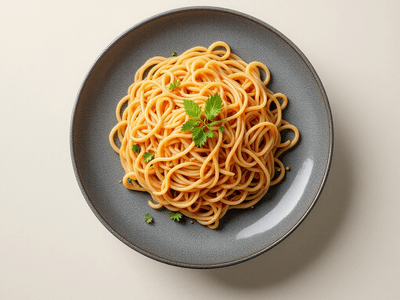
에 대해 Mapa Ramyeon
Mapo tofu ramyeon — spicy and numbing
How to Make Mapa Ramyeon (Traditional & Healthy Version)
Mapa Ramyeon is a unique fusion noodle dish cherished in Korea, blending the bold flavors of mapo tofu (mapa dubu) with Korea’s beloved ramyeon noodles. Originating as a modern comfort food, Mapa Ramyeon unites the rich, spicy, and umami notes of fermented gochujang and doenjang with silky tofu and chewy ramyeon, creating a deeply satisfying meal. The dish is often enjoyed in Korean homes as a hearty lunch or casual dinner, reflecting Korea’s love for creative noodle recipes. In Korean culture, noodles symbolize longevity and are a staple at family gatherings. Mapa Ramyeon stands out for its comforting warmth and harmonious combination of textures – soft tofu, tender pork, and springy noodles, all enveloped in a spicy, savory broth. Paired with banchan (side dishes) like kimchi or pickled radish, and rooted in Korea’s fermentation tradition, this recipe celebrates both contemporary tastes and Korea’s deep culinary heritage. Choosing Mapa Ramyeon means embracing the vibrant flavors of Korea, perfect for those seeking a nourishing yet exciting meal.
재료(One medium bowl (about 400g cooked) 기준)
- 160g Ramyeon noodles (Korean instant noodles)
- 200g Soft tofu (dubu)
- 100g Ground pork (돼지고기 다진 것)
- 1 tbsp Gochujang (Korean chili paste)
- 1 tsp Doenjang (fermented soybean paste)
- 2 cloves Garlic (minced)
- 2 stalks Green onion (chopped)
- 1 tbsp Soy sauce (Korean ganjang)
- 1 tsp Sesame oil (참기름)
- 700ml Water or low-sodium broth (for soup base)
- 1/2 tsp Red chili flakes (gochugaru, optional for extra heat) - 선택 사항
조리 방법
- 1
Prepare all ingredients. Chop green onion, mince garlic, and cut tofu into small cubes.
5 minutes
Use fresh dubu for the best texture.
- 2
Heat sesame oil in a large pot over medium heat. Add garlic and green onion, sauté until fragrant.
3 minutes
Don’t burn the garlic, stir frequently.
- 3
Add ground pork and cook until browned, breaking it up with a spatula.
4 minutes
Lean pork keeps the dish lighter.
- 4
Stir in gochujang, doenjang, and soy sauce. Mix well and cook for 1-2 minutes to develop flavors.
2 minutes
Let the paste caramelize slightly for deeper taste.
이 음식이 건강한 이유
This healthy Mapa Ramyeon recipe uses soft tofu for extra protein and nutritional value, lean pork to minimize saturated fat, and fermented pastes for natural flavor and gut health. By incorporating fresh vegetables and minimizing processed ingredients, it supports weight management and metabolic health. The use of banchan and fermented foods enhances digestive wellness and nutritional diversity.
Mapa Ramyeon is packed with protein from pork and tofu, complex carbohydrates from noodles, and fiber from vegetables. Gochujang and doenjang offer gut-friendly probiotics and essential minerals. The dish provides B vitamins, iron, calcium, and vitamin C from green onion. Opting for low-sodium broth and lean pork reduces overall fat and sodium, making it suitable for balanced diets.
팁
- 💡Tip 1: Use fresh dubu (tofu) for a creamy, authentic texture.
- 💡Tip 2: Adjust gochujang and gochugaru to your spice tolerance.
- 💡Tip 3: Pair with kimchi or pickled radish for a classic banchan experience.
보관 및 제공
Store leftover Mapa Ramyeon in an airtight container in the refrigerator for up to 2 days. Reheat gently and add fresh green onion to revive flavors. Noodles may soften further, so consume promptly.
가장 잘 어울리는 때: Breakfast or Lunch
영양 성분
| 영양소 | 100g당 |
|---|---|
| 에너지 | 165.0 kcal |
| 단백질 | 6.0 g |
| 탄수화물 | 24.0 g |
| 총 지방 | 5.0 g |
| 식이섬유 | 1.0 g |