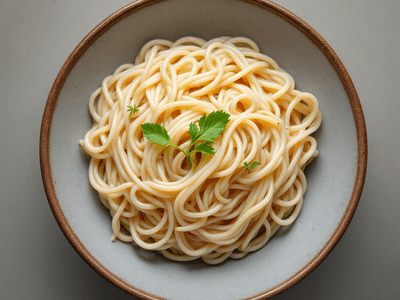
에 대해 Memil Guksu
Buckwheat noodles — cold or warm
How to Make Memil Guksu (Traditional & Healthy Version)
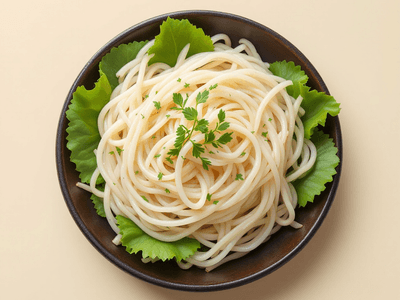
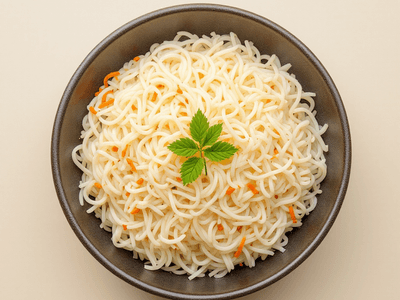
Memil Guksu, or Korean buckwheat noodles, is a refreshing and wholesome noodle dish beloved across Korea, especially during the warm summer months. Originating from the mountainous Gangwon-do region, where buckwheat (memil) thrives, this dish offers a nutty flavor and light, chewy texture. Traditionally served cold, Memil Guksu is accompanied by a savory, umami-rich broth, often garnished with crisp vegetables and strips of seaweed. It’s a staple in Korean homes and restaurants alike, celebrated for its clean taste and satisfying simplicity. What makes Memil Guksu stand out is its connection to Korea’s banchan culture—enjoyed alongside an array of small side dishes and often paired with kimchi or other fermented foods for a balanced, probiotic-rich meal. The noodles are vegan-friendly and easily adaptable for health-conscious eaters, making them a great choice for those seeking lighter, plant-based options. The interplay of chilled noodles, tangy broth, and fresh toppings makes every bite both refreshing and invigorating, embodying the essence of traditional Korean cuisine.
재료(1 medium bowl per person, as served in Korea 기준)
- 200g Buckwheat noodles (memil guksu (메밀국수))
- 1/2 medium Cucumber (julienned)
- 1/2 medium Carrot (julienned) - 선택 사항
- 2 stalks Green onion (thinly sliced)
- 1 sheet Roasted seaweed (gim (김), cut into thin strips)
- 3 tbsp Soy sauce (ganjang (간장), low sodium preferred)
- 1 tbsp Vinegar (rice vinegar)
- 1 tsp Sesame oil (chamgireum (참기름))
- 1 tbsp Toasted sesame seeds (crushed)
- 1 tsp Sugar (can use stevia for lower calories) - 선택 사항
- 2 cups Ice water (for chilling noodles and broth)
- to serve Kimchi (fermented napa cabbage, optional side) - 선택 사항
조리 방법
- 1
Bring a large pot of water to a boil. Add buckwheat noodles and cook according to package instructions (usually 4-5 minutes) until just tender.
5 minutes
Do not overcook—buckwheat noodles become mushy quickly. Stir gently to prevent sticking.
- 2
Drain the noodles and rinse thoroughly under cold running water to remove excess starch and cool the noodles.
3 minutes
Rinsing is crucial for chewy texture and removing stickiness.
- 3
Prepare the cold broth by mixing soy sauce, vinegar, sesame oil, and sugar (or stevia) in a bowl. Add 2 cups of ice water and stir well. Adjust seasoning to taste.
5 minutes
For extra flavor, add a splash of kimchi brine or a little grated garlic.
- 4
Julienne the cucumber and carrot. Slice the green onion thinly. Cut the roasted seaweed into thin strips.
5 minutes
Keep vegetables crisp and cold for maximum freshness.
이 음식이 건강한 이유
This dish is low in calories, cholesterol-free, and suitable for vegan and vegetarian diets. Buckwheat is gluten-free by nature (though check for cross-contamination), making it a great alternative to wheat noodles. The cold broth is light and low-sodium if prepared with reduced-salt soy sauce, making it a heart-friendly and weight-conscious choice.
Memil Guksu is rich in plant-based protein, dietary fiber, and essential minerals such as magnesium and manganese from buckwheat. It’s naturally low in fat and offers complex carbohydrates for sustained energy. The addition of fresh vegetables boosts vitamin A, C, and antioxidants, while seaweed provides iodine and trace minerals. Fermented kimchi on the side adds probiotics for digestive health.
팁
- 💡Tip 1: Always rinse buckwheat noodles in cold water to prevent sticking and maintain a chewy texture.
- 💡Tip 2: Prepare broth in advance and chill thoroughly for the most refreshing experience.
- 💡Tip 3: Add a spoonful of kimchi brine to the broth for extra depth and probiotics.
보관 및 제공
Store noodles and broth separately in airtight containers in the refrigerator for up to 2 days. Combine only before serving to keep textures fresh. Do not freeze.
가장 잘 어울리는 때: Breakfast or Lunch
영양 성분
| 영양소 | 100g당 |
|---|---|
| 에너지 | 100.0 kcal |
| 단백질 | 4.0 g |
| 탄수화물 | 20.0 g |
| 총 지방 | 1.0 g |
| 식이섬유 | 2.0 g |