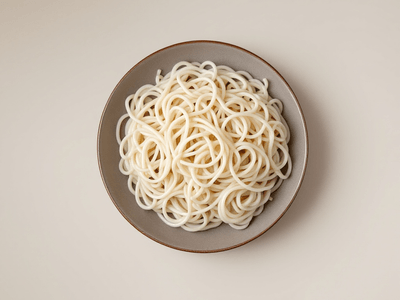
에 대해 Udon
Korean-style udon in anchovy broth
How to Make Korean Udon (Traditional & Healthy Version)
Korean Udon, known locally as 'udong' (우동), is a beloved noodle soup dish enjoyed throughout Korea. While udon noodles originally have roots in Japan, Korean-style udong has evolved into a comforting, flavorful bowl featuring a delicate broth, chewy wheat noodles, and an array of toppings such as fish cake, eggs, and vegetables. The hallmark of Korean udong is its clean, umami-rich anchovy broth, which is often garnished with mild chili, green onion, and sesame seeds for extra depth. Udong is a staple meal in many Korean households and eateries, appreciated for its warming qualities and ease of preparation. It’s commonly served alongside an assortment of banchan (side dishes), such as kimchi (fermented cabbage) and pickled radish, which add crunch and tang to balance the savory flavors. This dish is especially popular during cooler months but can be enjoyed year-round as a light yet filling meal. With its simple ingredients and robust taste, Korean udong is a health-conscious choice that brings together tradition, nutrition, and satisfaction in every bowl.
재료(1 large bowl 기준)
- 200g Udon noodles (fresh or frozen, 우동면)
- 10 pieces Dried anchovies (멸치, heads and guts removed)
- 1 piece (5x5cm) Kelp (다시마)
- 1.2 liters Water
- 1 sheet Fish cake (어묵, sliced)
- 1 Egg (beaten)
- 1/2 Carrot (julienned)
- 1/2 Zucchini (julienned)
- 2 stalks Green onion (chopped)
- 2 tbsp Soy sauce (양조간장)
- 1 tsp Sesame oil (참기름)
- to taste Salt
- 1 Red chili (optional, sliced for garnish) - 선택 사항
조리 방법
- 1
Prepare the broth by adding dried anchovies and kelp to 1.2 liters of water in a pot. Bring to a gentle boil, then simmer for 10 minutes. Remove the anchovies and kelp.
12 minutes
For a clearer broth, strain after simmering.
- 2
Season the broth with soy sauce and salt to taste. Keep the broth warm over low heat.
2 minutes
Taste as you go to avoid over-salting.
- 3
While the broth simmers, cook udon noodles according to package instructions. Rinse under cold water and drain.
5 minutes
Rinsing stops the cooking and keeps noodles chewy.
- 4
Slice fish cake, carrot, and zucchini. Lightly sauté the vegetables in a non-stick pan with a dash of sesame oil for 2-3 minutes until slightly tender.
4 minutes
Don’t overcook vegetables to retain nutrients and crunch.
이 음식이 건강한 이유
This dish is a healthy choice because it’s low in saturated fat and high in fiber, thanks to generous amounts of vegetables. The anchovy broth provides beneficial omega-3 fatty acids, and the use of minimal oil keeps the calorie count in check. Enjoying Korean udon with fermented banchan further aids digestion and supports immune health, making it perfect for a balanced diet.
Korean udon is a light, balanced meal featuring complex carbohydrates from wheat noodles, lean protein from fish cake and egg, and an abundance of vitamins from fresh vegetables. The anchovy-kelp broth is low in calories yet rich in minerals such as calcium and iodine. Fermented banchan like kimchi, served alongside, boosts gut health with probiotics and adds essential nutrients like vitamin C and beta-carotene.
팁
- 💡Tip 1: Use fresh anchovies and kelp for the most flavorful broth.
- 💡Tip 2: Prepare all toppings ahead for quick assembly.
- 💡Tip 3: Pair with homemade kimchi for a classic Korean meal experience.
보관 및 제공
Store leftover broth and toppings separately in airtight containers in the refrigerator for up to 2 days. Cook noodles fresh before serving to maintain texture.
가장 잘 어울리는 때: Breakfast or Lunch
영양 성분
| 영양소 | 100g당 |
|---|---|
| 에너지 | 115.0 kcal |
| 단백질 | 4.0 g |
| 탄수화물 | 22.0 g |
| 총 지방 | 1.0 g |
| 식이섬유 | 1.0 g |