에 대해 Chamchi Gimbap
Tuna gimbap — Korea's favorite filling
How to Make Chamchi Gimbap (Traditional & Healthy Version)
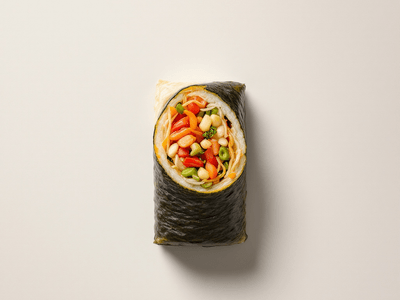
Chamchi Gimbap (참치김밥) is a beloved Korean rice roll filled with seasoned tuna, fresh vegetables, and wrapped in roasted gim (seaweed). Originating from Korea, gimbap is a staple in Korean homes and picnic baskets, enjoyed for its portability and balanced nutrition. The word 'gimbap' comes from 'gim' (seaweed) and 'bap' (rice), and chamchi refers to tuna, adding a savory, protein-rich twist to this classic roll. Korean gimbap is often served as a main dish or as part of a banchan (side dish) spread, paired with kimchi or pickled radish (danmuji) to add a refreshing, fermented tang. Its mild flavor and satisfying texture make it a favorite for all ages. Chamchi Gimbap is perfect for those seeking a health-conscious meal, as it incorporates lean protein, whole grains, and a variety of crisp vegetables. This dish captures the essence of Korean cuisine: harmonious flavors, nutritious ingredients, and a connection to communal eating.
재료(4-5 slices (1 roll) per serving 기준)
- 1 cup Cooked short-grain rice (bap (밥); use slightly cooled rice)
- 80g Canned tuna in water (chamchi (참치), drained well)
- 2 sheets Gim (roasted seaweed sheets) (full-size sheets)
- 1/2 small Carrot (julienned)
- 1/3 Cucumber (seeded and julienned)
- 1 Egg (lightly beaten)
- 1 tbsp Light mayonnaise (for mixing with tuna) - 선택 사항
- 1/2 tsp Salt (for seasoning)
- 1 tsp Sesame oil (for rice and brushing rolls)
- 1/2 tsp Toasted sesame seeds (for garnish) - 선택 사항
- 2 strips Danmuji (yellow pickled radish) (optional but traditional) - 선택 사항
조리 방법
- 1
Prepare the rice by mixing cooked short-grain rice with 1/4 tsp salt and 1/2 tsp sesame oil. Let it cool to room temperature for easier handling.
5 minutes
Use day-old rice for best texture and less stickiness.
- 2
Drain the canned tuna thoroughly. Mix with light mayonnaise (optional) and a pinch of salt until well combined.
3 minutes
Squeeze tuna well to prevent soggy gimbap.
- 3
Julienne carrot and cucumber. Quickly sauté carrot in a non-stick pan with a pinch of salt for 1 minute until just tender. Slice danmuji into long thin strips.
5 minutes
Do not overcook carrots; keep them crisp for texture.
- 4
Beat egg, season lightly, and cook as a thin omelette in a non-stick pan. Let cool, then cut into long strips.
5 minutes
A thin omelette rolls and slices more easily.
이 음식이 건강한 이유
This Chamchi Gimbap recipe is a smart choice for calorie-conscious eaters. It uses minimal oil, incorporates lean protein, and packs in vegetables for extra nutrients. The use of light mayonnaise and the option for brown rice can further reduce calories and improve dietary fiber. This Korean rice roll is low in fat, moderate in carbs, and high in essential nutrients, making it suitable for weight loss, diabetes management, or post-workout meals.
Chamchi Gimbap is nutritionally balanced, providing lean protein from tuna and egg, complex carbohydrates from rice, and fiber, vitamins, and minerals from a variety of fresh vegetables. Tuna offers omega-3 fatty acids, while the vegetables supply antioxidants such as beta-carotene and vitamin C. The dish is naturally low in saturated fat and can be adapted for specific dietary needs. Each serving delivers around 150 calories, making it a light yet filling meal.
팁
- 💡Use freshly cooked but cooled rice for best texture and easy spreading.
- 💡Drain tuna thoroughly to avoid soggy rolls.
- 💡A sharp, damp knife ensures clean, even slices without tearing the gim.
보관 및 제공
Chamchi Gimbap is best enjoyed fresh, but can be stored in an airtight container in the refrigerator for up to 24 hours. To prevent the rice from drying out, wrap rolls in plastic wrap. Do not freeze as the texture will be compromised.
가장 잘 어울리는 때: Breakfast or Lunch
영양 성분
| 영양소 | 100g당 |
|---|---|
| 에너지 | 150.0 kcal |
| 단백질 | 6.0 g |
| 탄수화물 | 22.0 g |
| 총 지방 | 4.0 g |
| 식이섬유 | 1.0 g |