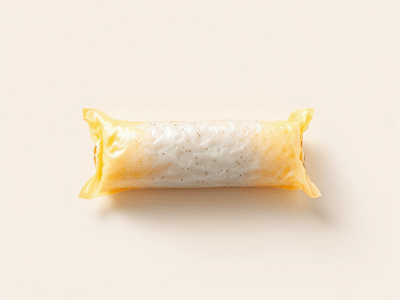
에 대해 Cheese Gimbap
Cheese gimbap — popular with kids
How to Make Cheese Gimbap (Traditional & Healthy Version)
Cheese Gimbap (치즈김밥) is a beloved Korean rice roll that combines the comforting flavors of creamy cheese with the classic, nutritious elements of traditional gimbap. Originating from Korea’s vibrant street food and banchan culture, gimbap is often enjoyed as a convenient meal or snack, wrapped in toasted gim (seaweed) and packed with fresh vegetables, rice, and sometimes proteins. Cheese Gimbap offers a modern twist, adding a mild, melty cheese that contrasts beautifully with the crisp vegetables and savory rice. In Korean cuisine, gimbap is a staple at picnics, school lunches, and family gatherings, representing a balance of taste, nutrition, and visual appeal. Serving Cheese Gimbap alongside fermented banchan such as kimchi amplifies both flavor and digestive health benefits, thanks to fermentation. Its popularity spans across generations, making it a go-to for adults and children alike. With its simple preparation and adaptable ingredients, Cheese Gimbap is ideal for vegetarians, offering a satisfying meal with a healthy macro profile. Enjoy this nutritious, delicious dish that embodies the spirit of Korean communal dining and wholesome food traditions.
재료(4-5 rolls per serving 기준)
- 2 cups Cooked short-grain rice (밥 (bap))
- 2 sheets Roasted seaweed sheets (김 (gim))
- 2 slices Cheese (mozzarella or mild cheddar)
- 1 small Carrot (julienned)
- 1/2 Cucumber (julienned)
- 1 Egg (beaten) - 선택 사항
- 4 strips Pickled radish (단무지 (danmuji))
- 1 tsp Sesame oil (참기름 (chamgireum))
- 1/2 tsp Salt (seasoning rice)
- 1/2 tsp Sesame seeds (깨 (kkae)) - 선택 사항
조리 방법
- 1
Prepare the rice by mixing it with sesame oil and salt while still warm. Set aside to cool slightly.
5 minutes
Use short-grain rice for authentic texture and flavor.
- 2
Julienne the carrot and cucumber. Lightly sauté the carrot in a non-stick pan for 1-2 minutes until just tender.
5 minutes
Don’t overcook the vegetables; keep them crisp for texture.
- 3
If using egg, beat and cook it into a thin sheet. Slice into strips.
5 minutes
Egg is optional but adds protein and color.
- 4
Lay a sheet of roasted gim (seaweed) shiny side down on a bamboo mat. Spread a thin layer of rice evenly, leaving a 2cm gap at the top edge.
3 minutes
Don’t overfill with rice; it makes rolling easier.
이 음식이 건강한 이유
This dish is low in calories, rich in nutrients, and offers a variety of food groups in every bite. The use of fresh vegetables, seaweed, and moderate cheese ensures a nutritious meal with healthy fats and protein. It avoids deep frying, keeps sodium in check, and supports a vegetarian diet. Cheese Gimbap is filling yet light, making it ideal for weight management and heart health. Korean gimbap also promotes mindful eating with its portioned rolls.
Cheese Gimbap is a balanced meal featuring wholesome short-grain rice, crisp vegetables, and mild cheese. Each serving provides approximately 165 calories, 6g protein, 22g carbs, and 6g fat, making it suitable for calorie-conscious diets. The vegetables contribute fiber, vitamins A and C, while seaweed adds minerals like iodine and magnesium. Cheese offers calcium and additional protein. The inclusion of fermented foods like kimchi as a banchan enhances gut health due to probiotics.
팁
- 💡Tip 1: Use slightly cooled rice to prevent seaweed from becoming soggy.
- 💡Tip 2: Slice rolls with a sharp, damp knife to avoid sticking.
- 💡Tip 3: Pair Cheese Gimbap with fermented kimchi for a probiotic boost.
보관 및 제공
Store leftover Cheese Gimbap in an airtight container in the refrigerator for up to 24 hours. For best taste, consume within the same day as rice can harden. Avoid freezing to preserve texture.
가장 잘 어울리는 때: Breakfast or Lunch
영양 성분
| 영양소 | 100g당 |
|---|---|
| 에너지 | 165.0 kcal |
| 단백질 | 6.0 g |
| 탄수화물 | 22.0 g |
| 총 지방 | 6.0 g |
| 식이섬유 | 1.0 g |