에 대해 Jeonbokjuk
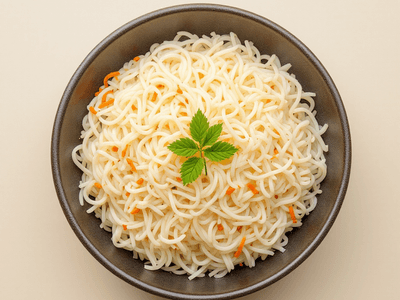
Abalone rice porridge — premium Korean comfort food
How to Make Jeonbokjuk (Traditional & Healthy Version)
Jeonbokjuk, known in Korea as 전복죽, is a luxurious abalone rice porridge that holds a special place in traditional Korean cuisine. Originating from Korea's coastal regions, especially Jeju Island, Jeonbokjuk is celebrated for its delicate flavor, silky texture, and nourishing qualities. This dish is often served to those recovering from illness or offered as a special treat during important family gatherings, showcasing the deep respect for well-being and health in Korean culture. The taste of Jeonbokjuk is subtly sweet and briny, with the abalone imparting a unique umami richness to the rice porridge. Its gentle flavor makes it an excellent comfort food, enjoyed by people of all ages. In Korean households, Jeonbokjuk is commonly accompanied by banchan (side dishes) and often paired with kimchi or other fermented foods, highlighting the harmony and balance at the Korean table. As a non-spicy, protein-rich dish, Jeonbokjuk is perfect for those seeking a wholesome, easy-to-digest meal that still feels like a luxury.
재료(1 medium bowl per person 기준)
- 2 whole (about 100g each) Abalone (jeonbok (전복), fresh or frozen, cleaned)
- 1/2 cup Short-grain rice (mepssal (멥쌀), soaked for 1 hour)
- 1 tablespoon Sesame oil (chamgireum (참기름))
- 2 cloves Garlic (minced)
- 2 tablespoons Carrot (finely diced)
- 2 tablespoons Zucchini (finely diced)
- 4 cups Water or anchovy broth (use dashima-myeolchi yuksu (멸치다시마육수) for more flavor)
- 1 teaspoon Soy sauce (guk-ganjang (국간장), for seasoning)
- to taste Salt
- 1 tablespoon Green onion (finely chopped, for garnish) - 선택 사항
- 1 teaspoon Toasted sesame seeds (for garnish) - 선택 사항
조리 방법
- 1
Clean the abalone thoroughly under running water. Remove the guts and slice the abalone meat thinly. Reserve the abalone liver if desired for richer flavor.
5 minutes
Using the liver will add deep umami flavor and a greenish hue to the porridge.
- 2
Rinse the soaked short-grain rice and drain well. Prepare the carrot and zucchini by dicing them finely.
5 minutes
Smaller vegetable pieces cook evenly and blend seamlessly into the porridge.
- 3
In a medium pot, heat sesame oil over medium heat. Add minced garlic and quickly stir-fry until fragrant. Add the sliced abalone (and liver if using), stir-frying for 2-3 minutes.
3 minutes
Do not overcook abalone to keep it tender.
- 4
Add the drained rice to the pot and stir-fry gently with the abalone for 2-3 minutes until the rice is glossy and slightly translucent.
3 minutes
Coating the rice with oil enhances flavor and prevents sticking.
이 음식이 건강한 이유
This abalone rice porridge is a smart choice for calorie-conscious eaters because it's light yet satisfying. The combination of lean seafood protein, whole grains, and vegetables creates a nutrient-dense meal with optimal macronutrient balance. Cooking with sesame oil and fermented banchan on the side supports heart health and gut health, making Jeonbokjuk a wholesome option for daily nourishment.
Jeonbokjuk is naturally low in fat and rich in lean protein, thanks to the abalone. Abalone is a source of essential minerals such as iron, magnesium, selenium, and iodine, which support thyroid function and overall metabolism. The rice provides complex carbohydrates for sustained energy, while the inclusion of vegetables delivers dietary fiber, vitamins A and C, and antioxidants. With minimal oil and no added sugars, this dish is gentle on digestion and ideal for those seeking a balanced, nutritious meal.
팁
- 💡Tip 1: Use fresh abalone for the best flavor, but frozen works well too if thawed properly.
- 💡Tip 2: Stirring frequently during simmering prevents rice from sticking and burning.
- 💡Tip 3: Serve with kimchi or other banchan to enhance the porridge's mild flavors and add probiotics.
보관 및 제공
Store leftover Jeonbokjuk in an airtight container in the refrigerator for up to 2 days. Reheat gently over low heat, adding a little water if needed to restore its creamy texture. Not recommended for freezing.
가장 잘 어울리는 때: Breakfast or Lunch
영양 성분
| 영양소 | 100g당 |
|---|---|
| 에너지 | 85.0 kcal |
| 단백질 | 6.0 g |
| 탄수화물 | 12.0 g |
| 총 지방 | 2.0 g |
| 식이섬유 | 0.0 g |