에 대해 Jjajang Bap
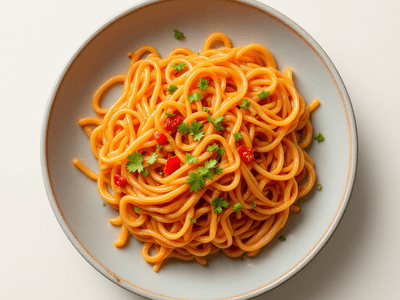
Black bean sauce rice — jjajangmyeon without noodles
How to Make Jjajang Bap (Traditional & Healthy Version)
Jjajang Bap is a beloved Korean rice dish featuring a rich, savory black bean sauce known as jjajang, served over freshly steamed rice (bap). Originating from the Korean adaptation of Chinese-style jajangmyeon, Jjajang Bap has been deeply woven into Korea's culinary traditions, especially in urban regions. The dish is characterized by its hearty sauce, made from chunjang (fermented black bean paste), diced pork, and a medley of vegetables. This comforting meal is a staple in many Korean households and is often enjoyed with a variety of banchan (side dishes), pickled radish (danmuji), and kimchi, highlighting the culture's love for balanced, fermented flavors. What sets authentic Jjajang Bap apart is its umami-rich taste, achieved through the fermentation in chunjang, paired with the natural sweetness of onions and earthiness of zucchini and potato. The sauce is thick and deeply flavorful, coating each grain of steaming rice for a satisfying bite. It’s a go-to dish for family meals or gatherings, striking the perfect balance between indulgence and nourishment. The versatility of Jjajang Bap allows it to fit seamlessly into a health-conscious lifestyle, especially when prepared with lean pork and plenty of vegetables. Enjoying Jjajang Bap is more than just a meal; it’s an experience that brings together the flavors of Korea, the warmth of home-cooked food, and the communal culture of sharing diverse banchan. Its unique blend of taste and nutrition makes it a great choice for anyone seeking a hearty yet healthy Korean rice dish.
재료(1 large bowl (rice + sauce) 기준)
- 2 cups Cooked medium-grain rice (bap) (freshly steamed)
- 120g Lean pork loin (diced small)
- 1 medium Onion (diced)
- 1/2 medium Zucchini (diced)
- 1 small Potato (peeled and diced)
- 1/2 medium Carrot (diced)
- 2 1/2 tbsp Chunjang (Korean black bean paste) (fermented)
- 1 tbsp Low-sodium soy sauce
- 2 cloves Garlic (minced)
- 1 cup Water
- 1 tbsp Cornstarch (mixed with 2 tbsp water)
- 1 tsp Sesame oil
- 1 tsp Sugar (optional, to balance flavors) - 선택 사항
- for garnish Cucumber (julienned, optional) - 선택 사항
조리 방법
- 1
Prepare all vegetables and pork by dicing them into small, even pieces for uniform cooking.
5 minutes
Cut vegetables and meat into similar sizes for even texture.
- 2
Heat a non-stick pan over medium heat. Add diced pork and stir-fry until browned and cooked through, about 3-4 minutes.
4 minutes
Use lean pork and minimal oil for a healthier base.
- 3
Add onions, garlic, potato, carrot, and zucchini to the pan. Stir-fry for 3-4 minutes until the onions are translucent and vegetables begin to soften.
4 minutes
Keep stirring to prevent sticking and promote caramelization.
- 4
Push vegetables to the side, add chunjang to the empty space, and sauté for 1 minute to release its aroma. Mix everything together.
2 minutes
Sautéing chunjang enhances its depth and reduces bitterness.
이 음식이 건강한 이유
This Jjajang Bap recipe uses lean pork, minimal oil, and a generous amount of vegetables, making it a lower-calorie, nutrient-dense version of a classic comfort food. By controlling the amount of sauce and including fiber-rich vegetables, you can enjoy a satisfying meal that supports weight management and overall health. The incorporation of fermented chunjang and side dishes like kimchi further enhances its nutritional profile.
Jjajang Bap provides a balanced meal with lean protein from pork, complex carbohydrates from rice, and a variety of vitamins and minerals from vegetables like onion, zucchini, and carrot. Chunjang, being a fermented ingredient, supports gut health and digestion. The dish is low in saturated fat when using lean pork and minimal oil, while the abundant vegetables contribute dietary fiber, potassium, vitamin C, and antioxidants.
팁
- 💡Tip 1: Sauté the chunjang separately before mixing for a smoother, less bitter sauce.
- 💡Tip 2: Add more vegetables for extra fiber and nutrients without extra calories.
- 💡Tip 3: Serve with kimchi or other fermented banchan to aid digestion and enhance flavor.
보관 및 제공
Store leftover jjajang sauce in an airtight container in the refrigerator for up to 3 days. Reheat gently on the stovetop, adding a splash of water if needed. Rice is best made fresh but can be refrigerated for up to 2 days.
가장 잘 어울리는 때: Lunch
영양 성분
| 영양소 | 100g당 |
|---|---|
| 에너지 | 160.0 kcal |
| 단백질 | 6.0 g |
| 탄수화물 | 24.0 g |
| 총 지방 | 5.0 g |
| 식이섬유 | 1.0 g |