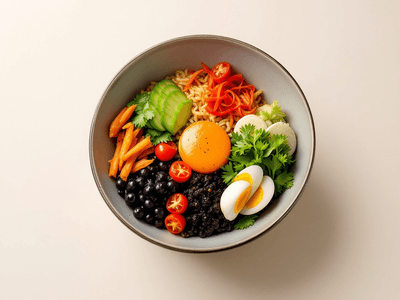
에 대해 Yachae Bibimbap
Vegetable bibimbap — no egg, no meat
How to Make Yachae Bibimbap (Traditional & Healthy Version)
Yachae Bibimbap is a vibrant, plant-based Korean rice bowl that beautifully celebrates the harmony of fresh vegetables, steamed rice, and a flavorful gochujang sauce. Originating from Korea’s rich culinary tradition, bibimbap means 'mixed rice,' and yachae highlights the use of assorted seasonal vegetables. This dish embodies the essence of Korean cuisine where balance, nutrition, and color come together in one wholesome bowl. Traditionally served with banchan (small side dishes) and often accompanied by kimchi, Yachae Bibimbap is a staple in both home kitchens and restaurants throughout Korea. It’s a feast for both the eyes and palate, offering a medley of tastes and textures—crisp, tender, tangy, and savory. The inclusion of fermented foods like kimchi provides not only depth of flavor but also gut-friendly benefits. As a vegan and vegetarian-friendly dish, Yachae Bibimbap is ideal for health-conscious eaters seeking authentic Korean flavors without compromise. Its versatility allows you to use a variety of local, in-season vegetables, making it a sustainable and nutritious meal choice.
재료(1 medium bowl (대접) per person 기준)
- 2 cups Steamed short-grain rice (bap) (밥, cooked and slightly cooled)
- 1/2 cup Carrot (julienned)
- 1/2 cup Zucchini (julienned)
- 1 cup Spinach (blanched and squeezed)
- 1/2 cup Bean sprouts (kongnamul) (blanched and seasoned)
- 1/2 cup Shiitake mushrooms (sliced)
- 1/3 cup Cucumber (julienned)
- 1/4 cup Kimchi (vegan, optional) (for topping) - 선택 사항
- 2 tablespoons Gochujang (Korean red chili paste) (고추장, adjust to taste)
- 2 teaspoons Sesame oil (참기름)
- 1 teaspoon Sesame seeds (for garnish)
- to taste Salt
- 1 clove Garlic (minced)
조리 방법
- 1
Prep all vegetables: julienne carrot, zucchini, and cucumber; slice shiitake mushrooms; blanch spinach and bean sprouts, then gently squeeze out extra moisture.
7 minutes
Keep each vegetable separate to highlight color and texture when plating.
- 2
Sauté carrot, zucchini, and mushrooms separately in a nonstick pan with a few drops of sesame oil and a pinch of salt until just tender (2 minutes each).
6 minutes
Do not overcook; vegetables should remain slightly crisp.
- 3
Season blanched spinach and bean sprouts with a drizzle of sesame oil, minced garlic, and salt. Toss gently to coat evenly.
3 minutes
A light seasoning preserves the vegetables’ freshness.
- 4
Arrange steamed rice in two bowls. Neatly arrange each vegetable topping in sections over the rice, leaving a space in the center.
2 minutes
Presentation is key in bibimbap—showcase each ingredient’s vibrant color.
이 음식이 건강한 이유
This vegan Korean rice bowl is naturally low in calories and cholesterol, high in fiber, and packed with micronutrients. Minimal oil is used to preserve the integrity of the vegetables, and the abundance of plant-based ingredients supports heart health and sustained energy. Yachae Bibimbap is an excellent choice for those seeking a wholesome, plant-forward meal with authentic Korean flavors.
Yachae Bibimbap is rich in dietary fiber, antioxidants, and essential vitamins from its diverse vegetables, such as vitamin A from carrots, vitamin C from spinach, and B vitamins from mushrooms. The dish is low in saturated fat and provides complex carbohydrates from rice, complemented by healthy fats from sesame oil. Inclusion of kimchi introduces probiotics for gut health, making this a balanced, nutrient-dense meal ideal for supporting immunity and digestive wellness.
팁
- 💡Tip 1: Use freshly steamed short-grain rice for the best texture.
- 💡Tip 2: Vary vegetables according to season—try bellflower root (doraji) or fernbrake (gosari) for an authentic touch.
- 💡Tip 3: Always mix the bibimbap thoroughly just before eating to blend all flavors and textures.
보관 및 제공
Store leftover vegetables and rice separately in airtight containers in the refrigerator for up to 2 days. Assemble just before eating for best texture. Gochujang sauce can be stored in the fridge for up to 1 week.
가장 잘 어울리는 때: Breakfast or Lunch
영양 성분
| 영양소 | 100g당 |
|---|---|
| 에너지 | 130.0 kcal |
| 단백질 | 4.0 g |
| 탄수화물 | 22.0 g |
| 총 지방 | 3.0 g |
| 식이섬유 | 3.0 g |