에 대해 Jjinppang
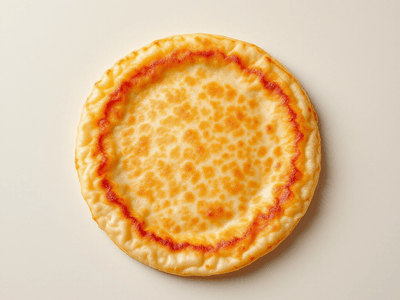
Steamed bread — plain and fluffy
How to Make Jjinppang (Traditional & Healthy Version)
Jjinppang (찐빵) is a beloved Korean steamed bun snack known for its fluffy, pillowy texture and subtly sweet, earthy red bean filling. Originating from Korea’s rich street food culture, Jjinppang is especially popular during the colder months, often enjoyed with a cup of hot tea or as part of a cozy afternoon snack. The simple yet satisfying combination of soft, steamed dough and smooth, sweetened red bean paste (pat, 팥) makes Jjinppang a comforting treat for all ages. In Korea, Jjinppang is sometimes served alongside a variety of banchan (Korean side dishes), and it pairs beautifully with slightly tangy, fermented foods like kimchi, balancing the sweetness of the buns with a hint of umami. This traditional snack is not only delicious but also connects you to the warmth of Korean homes and markets, where steamed buns are often made fresh and enjoyed communally. Its gentle flavors make it perfect for those new to Korean cuisine, offering a taste of authentic comfort food.
재료(2 steamed buns (approximately 100g each) 기준)
- 1 cup All-purpose flour (밀가루)
- 1/3 cup Warm water (약 40°C)
- 1 tsp Active dry yeast (이스트)
- 2 tbsp Sugar (설탕)
- 1/4 tsp Salt (소금)
- 1 tsp Vegetable oil (식용유)
- 1/2 cup Sweetened red bean paste (팥앙금, store-bought or homemade)
- 1/2 tsp Baking powder (베이킹파우더)
- 1 tsp Rice syrup (optional) (쌀엿, for extra shine on buns) - 선택 사항
조리 방법
- 1
In a bowl, dissolve sugar in warm water. Sprinkle active dry yeast over the top and let it sit for 5 minutes until frothy.
5 minutes
Make sure the water is warm (not hot) to activate the yeast properly.
- 2
Add flour, salt, baking powder, and vegetable oil to the yeast mixture. Mix and knead until you have a smooth, elastic dough.
8 minutes
Knead thoroughly to develop gluten for a fluffier bun.
- 3
Cover the dough with a damp cloth and let it rise in a warm place until doubled in size (about 30 minutes).
Rest 30 minutes
A slightly warm oven (turned off) works well for proofing.
- 4
Divide the dough into 4 equal pieces. Flatten each piece into a disc and place about 2 tbsp of sweetened red bean paste in the center. Gather the edges and seal to form a bun.
5 minutes
Seal buns tightly to prevent filling from leaking during steaming.
이 음식이 건강한 이유
Steamed preparation of Jjinppang means less oil and fewer calories compared to fried alternatives. The red bean paste offers a natural source of sweetness with added fiber and protein, contributing to satiety and balanced blood sugar levels. By controlling ingredients, you can avoid unnecessary additives, making this a clean, wholesome snack perfect for those seeking a healthier Korean recipe.
Jjinppang is a healthier snack option compared to fried treats, as it's steamed, keeping fat content low. The red bean filling is high in plant-based protein, dietary fiber, iron, and B vitamins, supporting energy and digestive health. Using moderate sugar and minimal oil keeps calories in check, making this snack suitable for most diets. The dough provides complex carbohydrates, while the overall snack is cholesterol-free and contains no animal products, making it a nutritious choice.
팁
- 💡Ensure the dough is not too dry; add a bit more water if needed for a soft texture.
- 💡Let buns rest before steaming to get an extra fluffy result.
- 💡For best taste, enjoy the buns fresh and warm, paired with fermented kimchi for a classic Korean experience.
보관 및 제공
Allow buns to cool completely before storing in an airtight container. Refrigerate for up to 3 days or freeze for up to 1 month. To reheat, steam or microwave until soft and warm.
가장 잘 어울리는 때: Breakfast or Lunch
영양 성분
| 영양소 | 100g당 |
|---|---|
| 에너지 | 160.0 kcal |
| 단백질 | 4.0 g |
| 탄수화물 | 28.0 g |
| 총 지방 | 3.0 g |
| 식이섬유 | 1.0 g |