에 대해 Mandu
Korean dumplings — steamed or fried
How to Make Mandu (Traditional & Healthy Version)
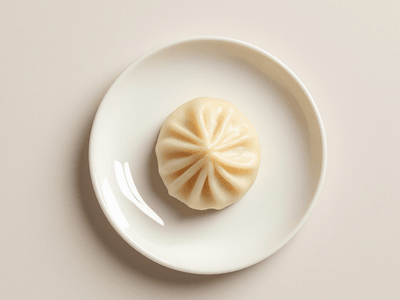
Mandu (만두) are traditional Korean dumplings enjoyed as a beloved snack, appetizer, or light meal across Korea. With roots dating back to the Goryeo Dynasty, Mandu have become a cherished part of Korean cuisine, commonly served during family gatherings, festive occasions, and as a popular street food. These delicate dumplings are typically filled with a savory blend of minced pork, vegetables like napa cabbage and garlic chives, and tofu, all wrapped in thin wheat flour skins. Mandu can be steamed (jjin-mandu), boiled (mul-mandu), or pan-fried (gun-mandu), offering a variety of textures to suit any palate. Mandu are often enjoyed with a side of kimchi or other banchan (Korean side dishes), highlighting Korea's culture of shared meals and fermented foods. The balance of protein, fiber, and probiotics from accompanying kimchi makes Mandu a wholesome, satisfying choice. Their subtle, savory flavor profile is appealing to all ages, making them a staple on Korean tables. Whether served as part of a festive meal or a simple snack, Mandu reflect the heart of Korea's communal dining traditions and the country's love for flavorful, nutritious fare.
재료(6-8 Mandu per serving 기준)
- 16 pieces Mandu skins (dumpling wrappers) (만두피, thin round wheat wrappers)
- 100g Lean ground pork (돼지고기, can substitute with ground chicken)
- 50g Firm tofu (두부, well-drained)
- 1 cup Napa cabbage (배추, finely chopped)
- 1/2 cup Garlic chives (부추, finely chopped)
- 2 stalks Green onion (다진 파, finely chopped)
- 2 cloves Garlic (다진 마늘, minced)
- 1 tbsp Soy sauce (간장, low sodium)
- 1 tsp Sesame oil (참기름)
- 1/4 tsp Black pepper (후추, freshly ground)
조리 방법
- 1
Prepare all filling ingredients. Finely chop napa cabbage, garlic chives, and green onion. Mince garlic. Drain tofu and squeeze out as much water as possible, then crumble.
5 minutes
Press tofu with a clean towel to avoid a watery filling.
- 2
In a mixing bowl, combine ground pork, crumbled tofu, chopped vegetables, garlic, soy sauce, sesame oil, and black pepper. Mix thoroughly until well incorporated.
3 minutes
Use your hands for mixing to distribute flavors evenly.
- 3
Place a mandu skin in your palm. Add about 1 tablespoon of filling in the center. Wet the edge of the wrapper with water, fold into a half-moon, and pinch the edges to seal tightly.
6 minutes
Ensure no air is trapped inside to avoid bursting during cooking.
- 4
Repeat until all filling and wrappers are used. Keep completed mandu covered with a damp cloth to prevent drying.
3 minutes
Work quickly to keep wrappers pliable.
이 음식이 건강한 이유
This Mandu recipe is health-conscious, featuring lean protein, minimal oil, and plenty of fresh vegetables. Steaming the dumplings preserves nutrients while keeping calories low. The inclusion of natural, whole-food ingredients supports balanced eating and fits well into a calorie-tracked diet plan.
Mandu offer a balanced mix of lean protein from pork and tofu, dietary fiber from napa cabbage and garlic chives, and essential micronutrients like vitamin C, vitamin K, and iron. The addition of fermented foods like kimchi as a banchan provides probiotics that support gut health. Using low-sodium soy sauce and steaming instead of frying reduces sodium and fat content, making Mandu a nutritious option for most diets.
팁
- 💡Tip 1: Squeeze excess water from vegetables and tofu to prevent soggy filling.
- 💡Tip 2: Make a large batch and freeze; Mandu cook perfectly from frozen.
- 💡Tip 3: Serve with a variety of banchan and kimchi for a complete and authentic Korean meal.
보관 및 제공
Uncooked Mandu can be frozen in a single layer and then transferred to an airtight container for up to 2 months. Steam or boil from frozen—no need to thaw. Leftover cooked Mandu should be refrigerated and consumed within 2 days.
가장 잘 어울리는 때: Lunch
영양 성분
| 영양소 | 100g당 |
|---|---|
| 에너지 | 195.0 kcal |
| 단백질 | 8.0 g |
| 탄수화물 | 22.0 g |
| 총 지방 | 8.0 g |
| 식이섬유 | 1.0 g |