에 대해 Rabokki
Ramyeon + tteokbokki combo — spicy fusion
How to Make Rabokki (Traditional & Healthy Version)
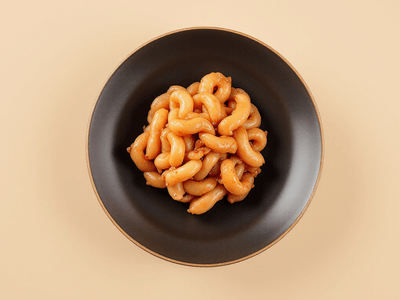
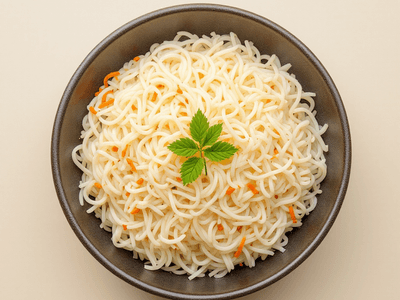
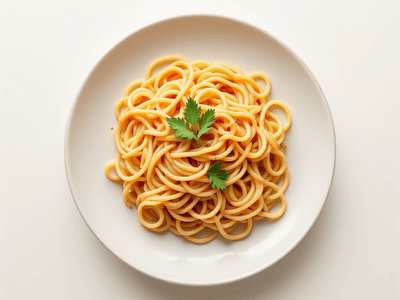
Rabokki (라볶이) is a beloved Korean street food that fuses two iconic snacks: tteokbokki (spicy rice cakes) and ramyeon (Korean instant noodles). This dish is a staple in Korean snack culture, often enjoyed in bustling food alleys and casual eateries. Its rich, spicy-sweet gochujang sauce, chewy garaetteok (rice cakes), and springy ramyeon noodles make Rabokki an irresistible comfort food. Rabokki reflects the communal spirit of Korean dining, where sharing flavorful dishes with friends and family is a way of life. Traditionally served with eomuk (fish cakes), vegetables, and a boiled egg, it's both satisfying and hearty. The vibrant red sauce exemplifies the bold flavors typical of Korean cuisine, while the addition of ramyeon offers a modern twist on classic tteokbokki. Enjoyed as a popular snack (bunsik), Rabokki is often paired with banchan like kimchi or pickled radish, which help balance the heat and aid digestion thanks to their fermented properties. Whether for a quick afternoon bite or a late-night treat, Rabokki captures the essence of Korean street food culture.
재료(1 large bowl (typical Korean snack serving) 기준)
- 180g Garaetteok (Korean rice cakes) (cylinder-shaped)
- 1 pack (80g) Korean ramyeon noodles (discard seasoning packet)
- 60g Eomuk (fish cake) (sliced into strips)
- 2 tbsp Gochujang (Korean red chili paste)
- 1 tsp Gochugaru (Korean chili flakes)
- 1 tbsp Low-sodium soy sauce
- 2 cloves Garlic (minced)
- 1/2 medium Onion (thinly sliced)
- 1/2 small Carrot (julienned)
- 1 cup Cabbage (chopped)
- 1 Boiled egg (halved) - 선택 사항
- 2 stalks Green onion (sliced for garnish)
- 1 tsp Toasted sesame seeds (for garnish) - 선택 사항
- 2 cups Water
조리 방법
- 1
Soak the garaetteok (rice cakes) in warm water for 10 minutes if they are refrigerated or hard. This softens them for even cooking.
10 minutes
Soft rice cakes absorb sauce better and have an ideal chewy texture.
- 2
In a large pan, combine water, gochujang, gochugaru, soy sauce, and minced garlic. Stir well and bring to a gentle boil over medium heat.
5 minutes
Dissolve gochujang fully to avoid clumps and ensure an even, spicy-sweet base.
- 3
Add sliced onion, carrot, cabbage, and eomuk (fish cake) to the sauce. Simmer for 5 minutes until vegetables soften slightly.
5 minutes
Vegetables add fiber and crunch; don't overcook to retain nutrients.
- 4
Drain the soaked rice cakes and add them to the pan. Cook for 6-8 minutes, stirring occasionally, until rice cakes are soft and sauce thickens.
8 minutes
Stir to prevent sticking and ensure rice cakes cook evenly.
이 음식이 건강한 이유
This Rabokki recipe is made health-conscious by balancing portion sizes, adding plenty of vegetables, and using low-sodium soy sauce. By preparing it at home, you control oil and seasoning levels, resulting in fewer calories and less sodium compared to street versions. The inclusion of fermented foods like kimchi as a side boosts digestive health, making it a smart choice for those mindful of their wellness goals.
Rabokki offers a balanced mix of carbohydrates from rice cakes and noodles, lean protein from fish cakes and egg, and essential vitamins from vegetables like cabbage, onion, and carrot. The gochujang sauce provides capsaicin, which may boost metabolism, while garlic adds antioxidants. Choosing low-sodium soy sauce further reduces sodium content, making this a heart-friendly snack. Including a portion of kimchi or other fermented banchan alongside adds probiotics for gut health.
팁
- 💡Tip 1: Soak rice cakes before cooking to ensure perfect chewiness.
- 💡Tip 2: Add kimchi or pickled radish as banchan for a nutritious, tangy balance.
- 💡Tip 3: For extra depth, simmer a small piece of kelp (dashima) in the sauce, then remove before adding other ingredients.
보관 및 제공
Rabokki is best eaten fresh but can be stored in an airtight container in the refrigerator for up to 2 days. Reheat gently with a splash of water to restore the sauce's texture.
가장 잘 어울리는 때: Lunch
영양 성분
| 영양소 | 100g당 |
|---|---|
| 에너지 | 175.0 kcal |
| 단백질 | 5.0 g |
| 탄수화물 | 28.0 g |
| 총 지방 | 5.0 g |
| 식이섬유 | 1.0 g |