에 대해 Haejangguk
Hangover soup — ox blood and bean sprouts
How to Make Haejangguk (Traditional & Healthy Version)
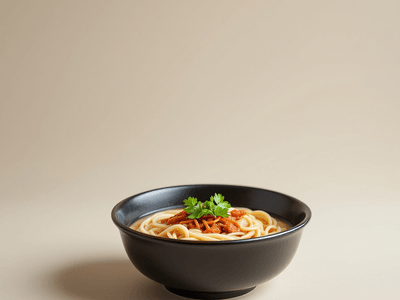
Haejangguk, also known as 'hangover soup,' is a beloved Korean dish with deep roots in Korea's culinary and cultural history. Traditionally enjoyed after a night of celebration, this hearty soup was crafted to help revitalize the body and mind, earning its reputation as a restorative meal. The name haejangguk literally translates to 'soup to chase a hangover,' and it features a warming, savory broth simmered with beef, napa cabbage (baechu), soybean paste (doenjang), and plenty of nourishing vegetables. The taste profile is rich and comforting, offering a blend of umami from the broth, subtle bitterness from the greens, and a satisfying, warming sensation. Haejangguk is often served with a spread of banchan (side dishes) and accompanied by fermented delicacies like kimchi, further highlighting Korea’s love for balanced, probiotic-rich meals. Whether enjoyed at home or in a bustling Seoul restaurant, Haejangguk delivers a wholesome, filling experience and is perfect for those seeking a nutritious, authentic Korean soup.
재료(1 medium bowl (about 400ml per serving) 기준)
- 150g Beef brisket (Sogogi)
- 2 cups Napa cabbage (Baechu, chopped)
- 1 tablespoon Soybean paste (Doenjang)
- 1 tablespoon Soy sauce (Ganjang)
- 1/2 cup Korean radish (Mu, sliced)
- 3 cloves Garlic (Minced)
- 1 cup Bean sprouts (Sukju namul)
- 5 cups Water (For broth)
- 2 stalks Green onions (Sliced)
- To taste Salt and pepper
조리 방법
- 1
Rinse the beef brisket and place in a pot with 5 cups of water. Bring to a boil, skimming off any foam. Simmer for 10 minutes to create a rich broth.
10 minutes
Skim frequently for a clear broth.
- 2
Add napa cabbage, Korean radish, and bean sprouts to the simmering pot. Stir in the minced garlic.
3 minutes
Cut vegetables evenly for consistent cooking.
- 3
Lower the heat and dissolve the soybean paste (doenjang) and soy sauce (ganjang) into the broth. Stir well to ensure even flavor distribution.
2 minutes
Use a strainer to dissolve doenjang for a smoother soup.
- 4
Simmer until vegetables are tender and the beef is cooked through, about 5 more minutes.
5 minutes
Do not overcook to preserve nutrients.
이 음식이 건강한 이유
This Korean soup is a healthy choice due to its emphasis on lean proteins, high-fiber vegetables, and probiotic-rich ingredients. By focusing on natural, minimally processed foods, Haejangguk supports weight management, digestion, and overall vitality. Low in calories yet filling, it is a satisfying meal for those seeking nutritious comfort food without compromising on authentic Korean flavors.
Haejangguk is low in fat yet rich in protein from lean beef brisket, supporting muscle maintenance and repair. The addition of napa cabbage, bean sprouts, and Korean radish supplies dietary fiber, vitamins A and C, potassium, and calcium. Fermented soybean paste (doenjang) enhances gut health with probiotics and adds essential minerals. This soup is naturally free from added sugars and provides a balanced meal when paired with fermented banchan like kimchi, which further boosts digestive health.
팁
- 💡Tip 1: Use homemade beef stock for enhanced depth of flavor.
- 💡Tip 2: Add a small amount of gochugaru (Korean chili flakes) for gentle heat.
- 💡Tip 3: Always serve with fermented banchan to maximize probiotic benefits.
보관 및 제공
Store leftover Haejangguk in an airtight container in the refrigerator for up to 2 days. Reheat gently on the stove, adding a splash of water if needed. For best flavor, consume within 24 hours.
가장 잘 어울리는 때: Breakfast or Lunch
영양 성분
| 영양소 | 100g당 |
|---|---|
| 에너지 | 95.0 kcal |
| 단백질 | 8.0 g |
| 탄수화물 | 6.0 g |
| 총 지방 | 4.0 g |
| 식이섬유 | 1.0 g |