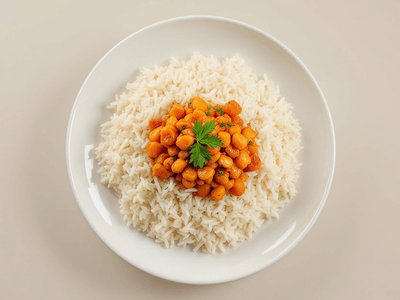
에 대해 Dwaeji Galbijjim
Braised pork ribs — sweet and savory
How to Make Dwaeji Galbijjim (Traditional & Healthy Version)
Dwaeji Galbijjim (돼지 갈비찜) is a beloved Korean braised pork rib stew that holds a special place in authentic Korean cuisine. Originating from home kitchens and often found in local eateries, this dish beautifully showcases the art of slow-braising pork ribs with a savory-sweet soy-based sauce, infused with classic Korean flavors like garlic, ginger, and gochugaru (Korean red chili flakes). The result is tender, fall-off-the-bone meat enveloped in a rich, aromatic broth that pairs perfectly with a bowl of steamed rice and an array of banchan (side dishes), including fermented favorites like kimchi and jangajji (pickled vegetables). Traditionally served for special occasions or cozy family dinners, Dwaeji Galbijjim highlights Korea’s communal dining culture. The stew’s inviting aroma and deep flavors make it a staple at gatherings, reflecting the warm hospitality Korean cuisine is known for. Its balance of protein, vegetables, and minimal oil also makes it a wholesome choice for those seeking hearty yet health-conscious meals. Enjoying Dwaeji Galbijjim with banchan not only adds variety to your meal but also supports gut health thanks to Korea’s famous fermented foods.
재료(1 generous bowl with pork ribs and vegetables 기준)
- 500g Pork spare ribs (dwaeji galbi) (ask butcher to cut into 2-inch pieces)
- 1/2 cup Korean radish (mu) (peeled and cut into large chunks)
- 1/2 cup Carrot (cut into large pieces)
- 1 small Onion (sliced)
- 3 Shiitake mushrooms (fresh, thickly sliced) - 선택 사항
- 4 Garlic cloves (minced)
- 1 tsp Ginger (minced)
- 3 tbsp Soy sauce (ganjang) (low sodium preferred)
- 1 tbsp Rice syrup (ssal-jocheong) or honey (for natural sweetness)
- 1 tsp Gochugaru (Korean red chili flakes) (adjust to taste)
- 1/4 tsp Black pepper
- 1 tsp Sesame oil
- 1 stalk Spring onions (sliced for garnish)
조리 방법
- 1
Soak pork ribs in cold water for 20 minutes to remove excess blood. Drain and rinse thoroughly.
20 minutes
Soaking ensures a cleaner broth and removes impurities.
- 2
Blanch the pork ribs in boiling water for 3 minutes. Drain and rinse again.
5 minutes
Blanching helps remove fat and scum for a clearer stew.
- 3
In a large pot, combine soy sauce, rice syrup, garlic, ginger, gochugaru, black pepper, and 2 cups of water. Add pork ribs and bring to a gentle boil.
5 minutes
Mix sauce ingredients well before adding ribs for even flavor.
- 4
Reduce heat to low, cover, and simmer for 30 minutes, skimming off any foam.
30 minutes
Slow simmering is key for tenderizing the pork.
이 음식이 건강한 이유
This recipe uses lean pork ribs and incorporates a generous amount of vegetables, reducing overall calories while increasing nutrient density. By simmering and skimming excess fat, it becomes lower in fat compared to pan-fried pork dishes. The use of natural sweeteners and fresh aromatics avoids artificial additives, supporting a whole-food, health-focused Korean diet.
Dwaeji Galbijjim is packed with high-quality protein from pork, essential for muscle maintenance and repair. The dish features a variety of vegetables like Korean radish, carrot, and mushrooms, supplying dietary fiber, antioxidants, and vitamins such as vitamin A, C, and B-complex. Using minimal oil and a soy-based sauce makes it lower in saturated fat. The inclusion of fermented banchan like kimchi with this stew adds probiotics, supporting gut and immune health.
팁
- 💡Tip 1: Blanch pork ribs to achieve a clear and clean-tasting broth.
- 💡Tip 2: Cut radish and carrot into large chunks so they retain their texture.
- 💡Tip 3: Always add sesame oil at the end to preserve its nutty aroma.
보관 및 제공
Store leftovers in an airtight container in the refrigerator for up to 3 days. Reheat gently over the stove, adding a splash of water if the stew thickens.
가장 잘 어울리는 때: Lunch
영양 성분
| 영양소 | 100g당 |
|---|---|
| 에너지 | 165.0 kcal |
| 단백질 | 13.0 g |
| 탄수화물 | 10.0 g |
| 총 지방 | 8.0 g |
| 식이섬유 | 1.0 g |