에 대해 Kongbiji Jjigae
Ground soybean stew — rustic Korean classic
How to Make Kongbiji Jjigae (Traditional & Healthy Version)
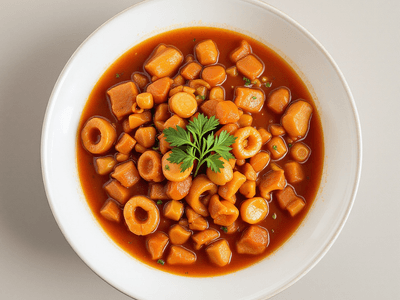
Kongbiji Jjigae is a comforting Korean stew made with kongbiji, or ground soybeans, simmered together with pork and vegetables. Originating from humble roots, this dish is a staple in many Korean homes, especially in colder months. Its creamy texture and nourishing ingredients make it a beloved meal, often served alongside various banchan (side dishes), kimchi, and other fermented foods that highlight the depth of Korean culinary culture. Kongbiji Jjigae’s appeal lies in its rustic simplicity and wholesome ingredients. Traditionally enjoyed in the Gyeonggi and Seoul regions, this stew provides an earthy, hearty flavor without being heavy. It is a popular choice for health-conscious eaters, thanks to its high protein and fiber content, and relatively low calories. The ground soybeans deliver a subtle nuttiness that pairs beautifully with the umami depth of gochugaru (Korean chili flakes) and the savory notes of doenjang (fermented soybean paste). As part of a balanced Korean meal, Kongbiji Jjigae embodies the harmony of flavors, nutrition, and tradition.
재료(1 medium bowl 기준)
- 1 cup Ground soybeans (kongbiji) (콩비지, soaked and pureed)
- 70g Pork shoulder (thinly sliced, 돼지고기)
- 1/2 cup Kimchi (fermented napa cabbage, chopped)
- 1/4 cup Onion (sliced)
- 1/4 cup Zucchini (diced, 애호박)
- 1 tsp Doenjang (fermented soybean paste) (된장)
- 1/2 tsp Gochugaru (Korean chili flakes) (고추가루, adjust to taste)
- 2 cloves Garlic (minced)
- 2 stalks Green onion (sliced, 대파)
- 1/2 tsp Sesame oil (참기름)
- 1.5 cups Water
- to taste Salt & pepper
조리 방법
- 1
Heat sesame oil in a pot over medium heat. Add pork and cook until lightly browned, about 3 minutes.
3 minutes
Use lean pork shoulder for the best flavor and lower fat content.
- 2
Add kimchi and onion to the pot. Stir-fry for 2 minutes until fragrant and slightly softened.
2 minutes
Well-fermented kimchi deepens the stew’s flavor.
- 3
Stir in minced garlic and gochugaru. Cook for 1 minute, allowing the spices to bloom.
1 minute
Be careful not to burn the garlic for optimal taste.
- 4
Pour in water and bring to a gentle boil. Add doenjang, stirring to dissolve.
3 minutes
Mix doenjang in a small amount of water first for even distribution.
이 음식이 건강한 이유
This dish is a healthy choice thanks to its nutrient-dense profile and low-calorie count. The combination of soybeans, lean pork, and vegetables supports muscle maintenance, immune function, and digestive wellness. The use of fermented foods enhances both flavor and the nutritional value, improving gut flora. Kongbiji Jjigae fits well into weight management plans and balanced diets, as it’s filling without being heavy.
Kongbiji Jjigae is rich in plant-based protein from ground soybeans, providing all essential amino acids. The stew is low in calories, with only 70 calories per serving, making it ideal for calorie-conscious diets. It is high in fiber, aiding digestion and promoting satiety. Pork adds lean animal protein, while vegetables offer vitamins A, C, and antioxidants. Fermented ingredients like kimchi and doenjang supply probiotics for gut health. The dish is naturally low in saturated fat and contains complex carbohydrates for sustained energy.
팁
- 💡Tip 1: Use fresh, well-soaked soybeans for the creamiest kongbiji.
- 💡Tip 2: The stew thickens as it cools; add water when reheating for the right consistency.
- 💡Tip 3: Pair with fresh kimchi and other homemade banchan for a balanced Korean meal.
보관 및 제공
Store leftover Kongbiji Jjigae in an airtight container in the refrigerator for up to 2 days. Reheat gently over low heat, adding a splash of water if the stew thickens.
가장 잘 어울리는 때: Breakfast or Lunch
영양 성분
| 영양소 | 100g당 |
|---|---|
| 에너지 | 70.0 kcal |
| 단백질 | 5.0 g |
| 탄수화물 | 6.0 g |
| 총 지방 | 3.0 g |
| 식이섬유 | 3.0 g |