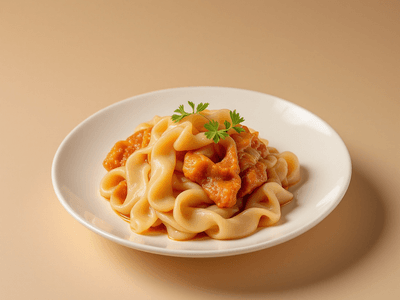
에 대해 Mapo Dubu
Korean-style mapo tofu — spicy and numbing
How to Make Mapo Dubu (Traditional & Healthy Version)
Mapo Dubu (마파두부) is a beloved Korean stew that beautifully balances the comforting softness of tofu (dubu) with a savory, spicy sauce enriched with ground pork and fermented seasonings. While Mapo Dubu originally traces its roots to Chinese Sichuan cuisine, the Korean adaptation has become a staple in homes and restaurants across Korea, using distinctly Korean ingredients like gochugaru (Korean chili flakes) and doenjang (fermented soybean paste). This dish is a popular choice for those seeking a satisfying and protein-rich meal that complements Korea’s vibrant banchan (side dish) culture. The taste of Mapo Dubu is an exciting interplay of spicy, umami, and slightly sweet notes, making it an inviting dish for both everyday meals and special gatherings. Its velvety tofu absorbs the aromatic sauce, creating a hearty stew that pairs wonderfully with a bowl of steaming rice and an array of banchan like kimchi and kongnamul (seasoned bean sprouts). Incorporating classic fermented foods, Mapo Dubu supports gut health and showcases Korea’s culinary heritage. This healthy recipe is perfect for those tracking calories without compromising on authentic Korean flavors.
재료(1 generous stew bowl 기준)
- 1 block (300g) Soft tofu (순두부, sundubu) (cut into 2cm cubes)
- 100g Lean ground pork (or minced chicken for lighter version)
- 1/2 medium Onion (diced)
- 2 cloves Garlic (minced)
- 1 tsp Ginger (minced)
- 1 tbsp Gochugaru (고추가루, Korean chili flakes)
- 1 tsp Doenjang (된장, soybean paste) (for depth of flavor)
- 1 tbsp Ganjang (간장, Korean soy sauce) (low-sodium preferred)
- 1 tsp Sesame oil
- 1 stalk Green onion (chopped, for garnish) - 선택 사항
- 1 cup Water or low-sodium chicken stock
- 1 Fresh red chili (sliced, optional for extra heat) - 선택 사항
조리 방법
- 1
Prepare all ingredients: cube the tofu, mince the garlic and ginger, dice the onion, and slice the green onion and chili if using.
5 minutes
Use a tofu press or gently pat tofu dry to prevent breaking during cooking.
- 2
Heat a nonstick pan over medium heat. Add sesame oil and sauté garlic, ginger, and onion until fragrant and softened.
3 minutes
Low heat prevents garlic from burning, preserving its sweetness.
- 3
Add the ground pork to the pan. Stir-fry until it’s browned and cooked through, breaking up any lumps.
4 minutes
Use lean pork for lower fat and better texture.
- 4
Stir in gochugaru, doenjang, and ganjang. Mix well to coat the meat and release the aromas of the fermented paste.
2 minutes
Blooming the spices intensifies their flavor.
이 음식이 건강한 이유
This healthy Mapo Dubu recipe is a nutritious choice for calorie-conscious eaters. Using lean ground pork and minimal oil keeps the fat content low, while tofu delivers plant-based protein and calcium. Fermented pastes like doenjang contribute probiotics, supporting a healthy gut. The dish is naturally low in added sugar and can be easily adapted for lower sodium, making it suitable for a balanced Korean meal.
Mapo Dubu is rich in high-quality plant protein from tofu and lean animal protein from pork. The inclusion of fermented ingredients like doenjang adds beneficial probiotics and enzymes that support digestion and gut health. The dish is low in saturated fat when made with lean meat and contains essential vitamins such as B12, iron, and folate from pork, and calcium from tofu. Gochugaru provides antioxidants, while onions and garlic offer immune-boosting properties.
팁
- 💡Use sundubu (soft tofu) for the best texture, but firm tofu also works if you prefer less delicate cubes.
- 💡For a deeper umami flavor, add a small amount of gochujang (Korean chili paste) along with doenjang.
- 💡Always add tofu last and handle gently to keep the cubes intact.
보관 및 제공
Store leftovers in an airtight container in the refrigerator for up to 2 days. Reheat gently over low heat, adding a splash of water if the sauce has thickened.
가장 잘 어울리는 때: Lunch
영양 성분
| 영양소 | 100g당 |
|---|---|
| 에너지 | 110.0 kcal |
| 단백질 | 7.0 g |
| 탄수화물 | 6.0 g |
| 총 지방 | 7.0 g |
| 식이섬유 | 1.0 g |