에 대해 Jajangmyeon
Korean-Chinese black bean noodles
How to Make Jajangmyeon (Traditional & Healthy Version)
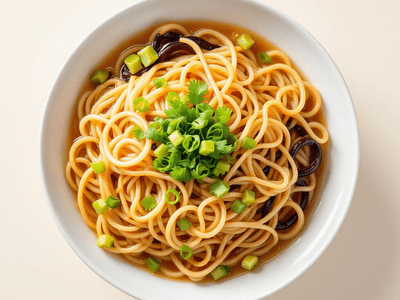
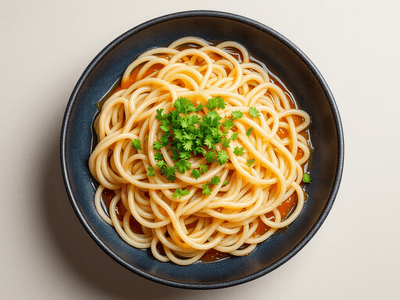
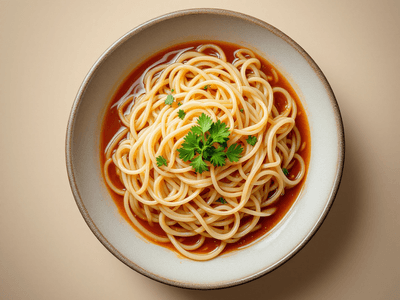
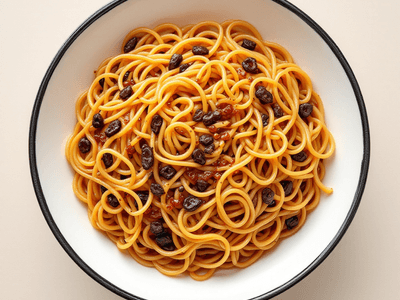
Jajangmyeon (짜장면) is a beloved Korean noodle dish featuring thick wheat noodles smothered in a savory black bean sauce made with chunjang (Korean black bean paste), pork, and a colorful medley of vegetables. Originally introduced to Korea over a century ago, Jajangmyeon has become a staple in Korean homes and eateries, symbolizing comfort food for many. Its deep, umami-rich flavors and hearty texture have made it a favorite for family gatherings and casual meals. The dish is often enjoyed with a variety of banchan (side dishes), such as danmuji (yellow pickled radish), which perfectly complements the richness of the sauce. Fermented foods like kimchi are also commonly served alongside Jajangmyeon, adding a tangy and refreshing contrast. With its harmonious blend of sweet, salty, and savory notes, Jajangmyeon is both satisfying and nourishing, making it an ideal choice for anyone seeking authentic Korean cuisine. Not only is it delicious, but it can also be prepared in a health-conscious way, making it suitable for those tracking their calorie intake.
재료(1 large noodle bowl 기준)
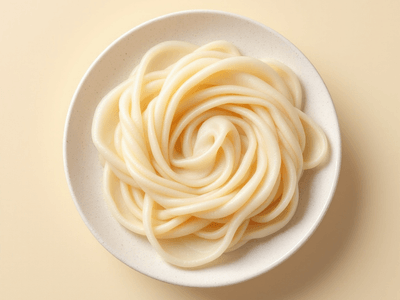
- 200g Fresh wheat noodles (Jajangmyeon noodles (짜장면면))
- 100g Pork loin (Lean, diced)
- 2.5 tbsp Chunjang (black bean paste) (춘장)
- 1/2 cup Zucchini (Diced)
- 1/2 cup Onion (Diced)
- 1/2 cup Cabbage (Napa, chopped)
- 1/3 cup Potato (Diced)
- 1/4 cup Carrot (Diced)
- 2 cloves Garlic (Minced)
- 1 tbsp Low-sodium soy sauce
- 1.5 cups Water or low-sodium chicken stock
- 1 tbsp Cornstarch (Mixed with 2 tbsp water)
- 1 tsp Sugar
- 1 tsp Sesame oil
- 1 tbsp Vegetable oil (For stir-frying)
- 1/4 cup Cucumber (Julienned, for garnish) - 선택 사항
조리 방법
- 1
Prepare all vegetables and pork by dicing them into even pieces. Mince garlic and julienne cucumber for garnish.
5 minutes
Uniform cuts ensure even cooking and a pleasant texture.
- 2
Heat vegetable oil in a large wok or pan over medium heat. Add pork and sauté until lightly browned.
3 minutes
Use lean pork to reduce fat content.
- 3
Add garlic and all diced vegetables (onion, zucchini, cabbage, potato, carrot) to the pan. Stir-fry until vegetables soften.
5 minutes
Don’t overcook; keep vegetables slightly crisp for added texture.
- 4
Push vegetables to the side. Add chunjang to the center of the pan and fry for 1-2 minutes, then mix thoroughly with the pork and vegetables.
2 minutes
Frying the black bean paste removes bitterness.
이 음식이 건강한 이유
This version of Jajangmyeon is a healthy choice because it uses lean pork, a reduced amount of oil, and a generous selection of fresh vegetables, enhancing nutrient density and lowering fat content. By including fermented black bean paste and serving with probiotic-rich banchan like kimchi, the dish supports digestive health. It's a complete, satisfying meal that fits well into calorie-conscious diets without sacrificing authentic Korean flavor.
Jajangmyeon is a balanced meal, providing protein from lean pork, complex carbohydrates from wheat noodles, and a variety of vitamins and minerals from fresh vegetables like zucchini, cabbage, and carrot. The use of chunjang introduces healthy fermented components, supporting gut health. Lowering oil usage and incorporating more vegetables can further reduce calories and boost dietary fiber, making this dish filling and nutritious. This healthy adaptation avoids excessive sodium and refined sugars, supporting overall wellness.
팁
- 💡Tip 1: Fry the chunjang separately for a smoother, less bitter sauce.
- 💡Tip 2: Use fresh noodles for the best chewy texture.
- 💡Tip 3: Adjust vegetable ratios to boost nutrition and reduce calories.
보관 및 제공
Store leftover sauce in an airtight container in the refrigerator for up to 2 days. Cook noodles fresh and combine just before serving to maintain texture.
가장 잘 어울리는 때: Lunch
영양 성분
| 영양소 | 100g당 |
|---|---|
| 에너지 | 175.0 kcal |
| 단백질 | 7.0 g |
| 탄수화물 | 28.0 g |
| 총 지방 | 4.0 g |
| 식이섬유 | 2.0 g |