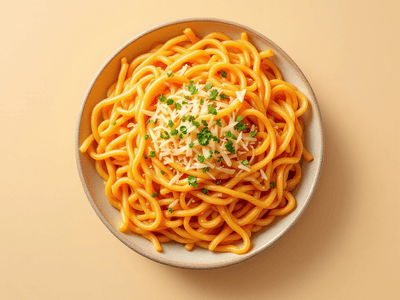
에 대해 Sundae
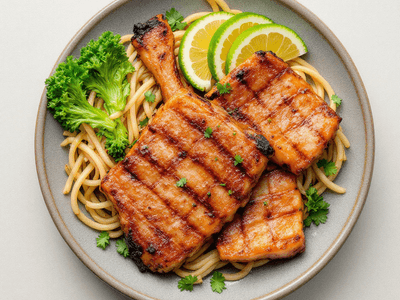
Korean blood sausage with glass noodles
How to Make Sundae (Traditional & Healthy Version)
Sundae (순대) is a classic Korean street food, beloved for its unique flavor and satisfying texture. Originating from Korea, Sundae is a type of blood sausage made primarily by stuffing pig’s intestines with a mixture of dangmyeon (sweet potato noodles), vegetables, and sometimes barley or rice. Traditionally enjoyed as a snack or light meal, Sundae is often served warm and accompanied by a variety of banchan (side dishes) and dipping sauces such as seasoned salt (소금) or gochujang (fermented chili paste). Korean food culture values harmony of flavors, and Sundae is a perfect example—combining hearty, umami-rich fillings with subtle, earthy notes from the blood and herbs. It is commonly enjoyed with kimchi (fermented cabbage) or kkakdugi (cubed radish kimchi), which add both crunch and a refreshing zing to this savory dish. Sundae holds a special place in Korean markets and festivals, representing comfort and tradition. Its adaptable ingredients and simple preparation make it a wonderful choice for health-conscious eaters seeking authentic Korean cuisine.
재료(6-8 slices of Sundae per person 기준)
- 200g Pig's intestine (cleaned and soaked (soondae casing))
- 1 cup cooked Dangmyeon (sweet potato noodles) (당면)
- 1/2 cup Pork blood (fresh, can substitute with beef blood)
- 1/2 cup cooked Sticky rice (찹쌀)
- 2 stalks Green onions (finely chopped)
- 2 cloves Garlic (minced)
- 1/2 tsp Salt (for seasoning)
- 1/4 tsp Black pepper
- 1 tsp Sesame seeds (for garnish) - 선택 사항
- 2 leaves Perilla leaves (optional, finely chopped) - 선택 사항
조리 방법
- 1
Soak the cleaned pig's intestines in cold water with a little salt for 10 minutes to remove any residual odor. Rinse thoroughly and set aside.
10 minutes
Ensure intestines are thoroughly cleaned for best flavor and safety.
- 2
Cook dangmyeon according to package instructions. Drain and chop into small pieces. Cook sticky rice until soft and sticky.
10 minutes
Spread noodles and rice on a plate to cool before mixing.
- 3
In a large bowl, combine chopped dangmyeon, sticky rice, pork blood, green onions, minced garlic, salt, black pepper, and perilla leaves if using. Mix until well incorporated.
3 minutes
Wear gloves to mix as the blood can stain hands.
- 4
Carefully stuff the mixture into the pig’s intestine, filling loosely to allow for expansion during cooking. Tie off both ends securely with kitchen twine.
5 minutes
Do not overfill to avoid bursting during steaming.
이 음식이 건강한 이유
This healthy Sundae recipe emphasizes lean protein, whole grains, and steaming techniques to minimize calorie and fat content. The inclusion of fiber-rich vegetables and fermented side dishes like kimchi complements the meal, supporting gut health and satiety. The use of sweet potato noodles instead of wheat noodles keeps the glycemic index moderate, making it suitable for weight management and balanced nutrition.
Sundae is a nutrient-dense Korean snack offering a balance of protein from pork blood and intestine, complex carbohydrates from sticky rice and dangmyeon, and dietary fiber from vegetables. Pork blood is rich in iron, vitamin B12, and essential amino acids, supporting healthy blood and energy levels. Including fermented banchan like kimchi adds probiotics and vitamins, further enhancing digestive health. By steaming instead of frying, this version reduces fat and preserves nutrients, making it a wholesome option for calorie-conscious eaters.
팁
- 💡Tip 1: Do not overstuff the intestine to prevent bursting during steaming.
- 💡Tip 2: Serve Sundae with plenty of kimchi for added flavor and probiotics.
- 💡Tip 3: Let Sundae cool slightly before slicing for neater, even pieces.
보관 및 제공
Store leftover Sundae in an airtight container in the refrigerator for up to 2 days. Reheat by steaming or microwaving before serving to maintain texture.
가장 잘 어울리는 때: Breakfast or Lunch
영양 성분
| 영양소 | 100g당 |
|---|---|
| 에너지 | 195.0 kcal |
| 단백질 | 12.0 g |
| 탄수화물 | 15.0 g |
| 총 지방 | 10.0 g |
| 식이섬유 | 0.0 g |