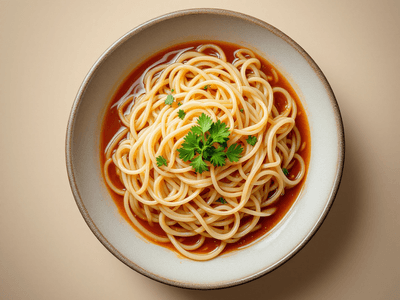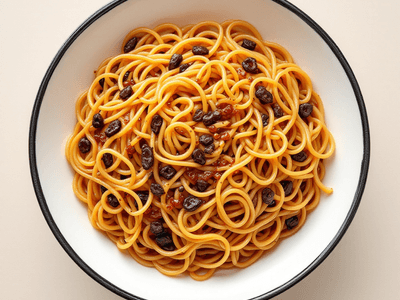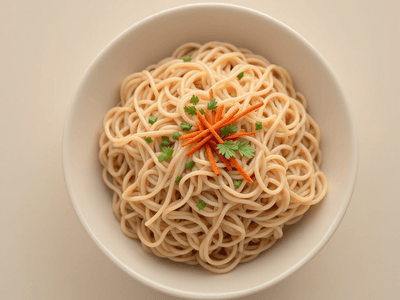
에 대해 Bibim Guksu
Spicy mixed noodles — summer favorite
How to Make Bibim Guksu (Traditional & Healthy Version)
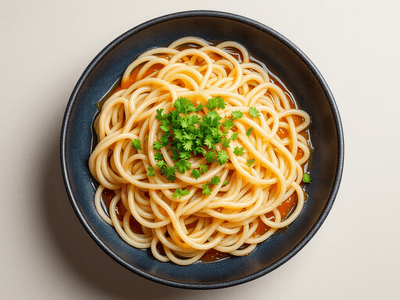
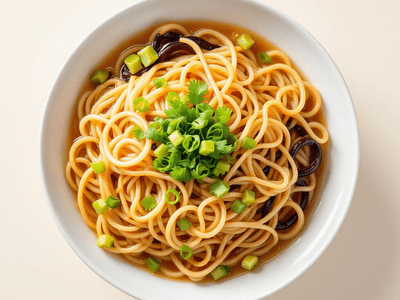
Bibim Guksu (비빔국수) is a classic Korean noodle dish known for its vibrant flavors and refreshing qualities. Originating from Korea's rich noodle tradition, Bibim Guksu combines thin wheat noodles (somyeon) with a spicy, tangy gochujang-based sauce, fresh vegetables, and fermented ingredients. As a staple in Korean homes, especially during warmer months, this dish is often served alongside banchan (small side dishes) such as kimchi, highlighting Korea's culture of communal dining and fermented foods. Bibim Guksu is celebrated for its harmonious balance of textures and flavors. The chewy noodles, crisp vegetables, and spicy-sweet sauce create a satisfying meal that's both light and filling. Traditionally, it's enjoyed as a quick lunch or a refreshing addition to a summer banchan spread. Its versatility makes it suitable for vegetarians, and with health-conscious modifications, it's perfect for calorie tracking. The inclusion of fermented foods like kimchi not only adds depth but also boosts gut health, making Bibim Guksu an excellent choice for those seeking authentic and nutritious Korean cuisine. In Korean culture, Bibim Guksu embodies the spirit of sharing and seasonal eating. Its popularity stems from its ease of preparation, adaptability, and the way it showcases Korea's love for spicy, flavorful dishes. Whether served at family gatherings or local eateries, Bibim Guksu remains a beloved noodle dish that reflects Korea's culinary heritage.
재료(1 bowl (approx. 350g per serving, typical for Korean meals) 기준)
- 180g Somyeon (thin wheat noodles) (소면)
- 2 tbsp Gochujang (Korean red chili paste) (고추장)
- 1.5 tbsp Rice vinegar (식초)
- 1 tbsp Soy sauce (간장)
- 1 tbsp Sesame oil (참기름)
- 1 tbsp Sugar (or stevia for health) (설탕) - 선택 사항
- 1/2, julienned Cucumber (오이)
- 1/2, julienned Carrot (당근)
- 1/3 cup, chopped Kimchi (김치, fermented)
- 1 tbsp Sesame seeds (깨)
- 1, sliced Green onion (파)
- 1 Egg (soft-boiled, optional) (계란) - 선택 사항
조리 방법
- 1
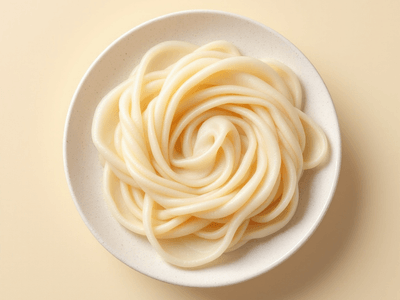
Boil somyeon noodles in plenty of water for 3-4 minutes until al dente. Stir occasionally to prevent clumping.
4 minutes
Rinse noodles under cold water to stop cooking and improve texture.
- 2
Prepare the sauce: Mix gochujang, rice vinegar, soy sauce, sesame oil, and sugar (or stevia) in a bowl until smooth.
3 minutes
Adjust sweetness or spice level to taste.
- 3
Julienne cucumber and carrot. Chop kimchi and slice green onion.
5 minutes
Use fresh, crisp vegetables for best texture.
- 4
Combine cooled noodles with sauce in a mixing bowl. Toss thoroughly so noodles are evenly coated.
4 minutes
Use hands or tongs to ensure even mixing.
이 음식이 건강한 이유
This Bibim Guksu recipe is a healthy choice because it uses fresh, minimally processed ingredients and incorporates fermented kimchi for probiotics. The sauce is balanced with natural flavors, and you can reduce sugar or use stevia for lower calories. With plenty of vegetables and a moderate portion of noodles, it fits well into a calorie-conscious, vegetarian meal plan.
Bibim Guksu is packed with vitamins and minerals from fresh vegetables like cucumber and carrot. Kimchi provides probiotics for gut health, while somyeon noodles offer a source of carbohydrates for energy. The dish is low in saturated fat, and sesame oil adds beneficial unsaturated fats. Protein can be boosted with egg, and overall, the meal supplies dietary fiber, vitamin C, and antioxidants. The use of fermented foods supports digestion and immunity.
팁
- 💡Tip 1: Rinse noodles thoroughly in cold water for a chewy, non-sticky texture.
- 💡Tip 2: Use homemade kimchi for best flavor and probiotic benefits.
- 💡Tip 3: Adjust gochujang and sugar levels to suit spice and calorie preferences.
보관 및 제공
Store leftover Bibim Guksu separately from sauce and toppings in airtight containers in the refrigerator for up to 1 day. Mix fresh before serving to maintain texture.
가장 잘 어울리는 때: Breakfast or Lunch
영양 성분
| 영양소 | 100g당 |
|---|---|
| 에너지 | 120.0 kcal |
| 단백질 | 3.0 g |
| 탄수화물 | 22.0 g |
| 총 지방 | 2.0 g |
| 식이섬유 | 1.0 g |
| 당류 | 2.8 g |
| 나트륨 | 540.0 mg |
| 칼륨 | 110.0 mg |
| 콜레스테롤 | 0.0 mg |
| 비타민A | 220.0 IU |
| 비타민C | 5.0 mg |
| 칼슘 | 22.0 mg |
| 철분 | 1.1 mg |
| Magnesium | 18.0 mg |
| Zinc | 0.5 mg |
| Phosphorus | 48.0 mg |
| Vitamin D | 0.0 IU |
| Vitamin B1 (Thiamine) | 0.1 mg |
| Vitamin B2 (Riboflavin) | 0.0 mg |
| Vitamin B3 (Niacin) | 0.7 mg |
| Vitamin B6 | 0.1 mg |
| Vitamin B12 | 0.0 µg |
| Folate | 18.0 µg |