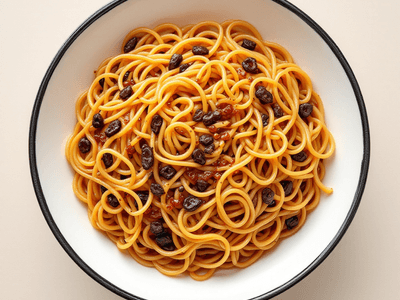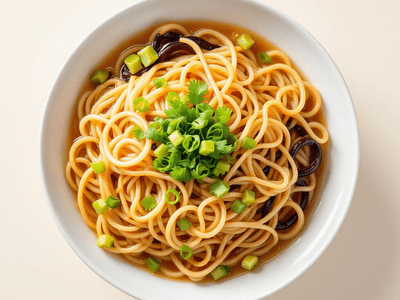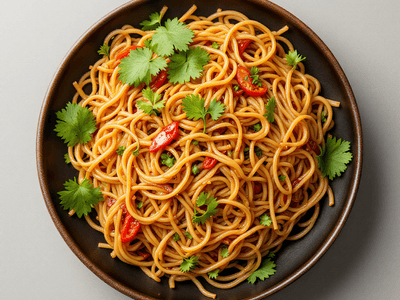
에 대해 Japchae
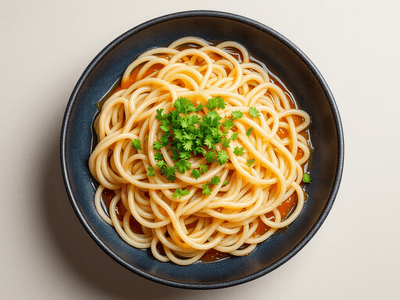
Stir-fried glass noodles with vegetables and beef
How to Make Japchae (Traditional & Healthy Version)
Japchae (잡채) is a beloved Korean noodle dish featuring sweet potato glass noodles (dangmyeon), stir-fried with a medley of vegetables and tender beef. Originating from royal banquets in the Joseon Dynasty, Japchae has since become a staple in homes and celebrations across Korea. Its harmonious balance of savory, sweet, and umami flavors makes it a standout dish among Korean cuisine, often served as a main course or as part of a vibrant array of banchan (side dishes). The appeal of Japchae lies in its versatility and the colorful presentation, which embodies the spirit of Korean communal dining. Traditionally, Japchae is enjoyed during festive occasions like Chuseok and Lunar New Year, but it's also a popular everyday dish thanks to its satisfying taste and nutritional value. The combination of chewy dangmyeon noodles, crisp vegetables, marinated beef, and the subtle sweetness of soy sauce creates a comforting yet refreshing meal that pairs beautifully with fermented foods such as kimchi. Japchae’s global popularity reflects Korea’s culinary heritage, but its roots are deeply tied to Korean food culture, where sharing nourishing meals is a sign of togetherness. Whether served hot or cold, Japchae brings a unique taste experience that is both authentic and health-conscious, making it an excellent choice for anyone seeking vibrant flavors and balanced nutrition.
재료(1 bowl or plate (approx. 250g per serving) 기준)
- 120g Sweet potato glass noodles (dangmyeon (당면))
- 80g Beef sirloin (thinly sliced)
- 1/2 medium Carrot (julienned)
- 50g Spinach (blanched)
- 1/2 small Onion (sliced)
- 3 Shiitake mushrooms (fresh or dried, sliced)
- 1/2 small Red bell pepper (julienned)
- 2 tbsp Soy sauce (ganjang (간장))
- 1 tbsp Sesame oil (chamgireum (참기름))
- 2 cloves Garlic (minced)
- 1 tsp Sugar (optional for taste) - 선택 사항
- 1 tsp Sesame seeds (garnish)
- 1/4 tsp Black pepper (freshly ground)
조리 방법
- 1
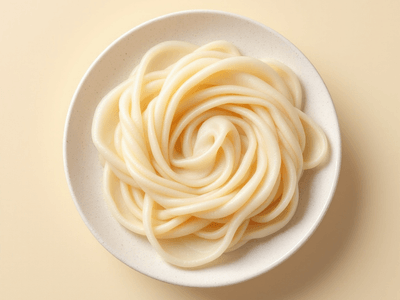
Soak the dangmyeon (sweet potato noodles) in warm water for 10 minutes, then boil for 5 minutes until chewy. Rinse with cold water and drain.
15 minutes
Do not overcook noodles as they can become mushy.
- 2
Marinate the beef with 1 tbsp soy sauce, 1/2 tbsp sesame oil, 1 minced garlic clove, and a pinch of black pepper for 10 minutes.
10 minutes
Slice beef thinly for faster cooking and better texture.
- 3
Heat 1/2 tbsp sesame oil in a pan. Stir-fry onions, carrots, mushrooms, and bell pepper until just tender, about 5 minutes. Set aside.
5 minutes
Stir-fry vegetables separately to maintain their color and texture.
- 4
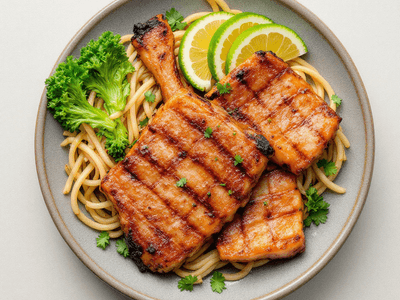
Quickly stir-fry marinated beef over high heat for 2-3 minutes until cooked through. Set aside.
3 minutes
Avoid overcooking beef to keep it juicy.
이 음식이 건강한 이유
Japchae is a health-conscious option because it uses lean beef, a variety of fresh vegetables, and minimal oil. The dish is naturally low in saturated fat and contains complex carbohydrates from dangmyeon, which have a lower glycemic index than regular noodles. It can be easily adapted for different diets, making it suitable for weight loss, diabetes management, and family-friendly meals. The presence of fermented banchan like kimchi alongside Japchae further boosts gut health and nutrient diversity.
Japchae is rich in fiber from vegetables like spinach, carrots, and mushrooms. The sweet potato noodles are gluten-free and lower in calories than wheat noodles, making this dish suitable for those monitoring their carbohydrate intake. The beef adds a good dose of protein, while sesame oil provides healthy fats and antioxidants. Vitamins A, C, and minerals like potassium and iron are abundant due to the diverse vegetables. Japchae is a balanced meal with essential macros and micronutrients, perfect for those seeking wholesome Korean recipes.
팁
- 💡Tip 1: Prepare all vegetables ahead for efficient stir-frying.
- 💡Tip 2: Mix ingredients by hand for even distribution of sauce and flavor.
- 💡Tip 3: Serve Japchae with kimchi and other fermented banchan for enhanced nutrition and taste.
보관 및 제공
Store Japchae in an airtight container in the refrigerator for up to 3 days. Reheat gently in a pan or microwave, adding a splash of water or sesame oil to refresh the noodles.
가장 잘 어울리는 때: Breakfast or Lunch
영양 성분
| 영양소 | 100g당 |
|---|---|
| 에너지 | 145.0 kcal |
| 단백질 | 4.0 g |
| 탄수화물 | 22.0 g |
| 총 지방 | 5.0 g |
| 식이섬유 | 2.0 g |