에 대해 Doenjang Jjigae
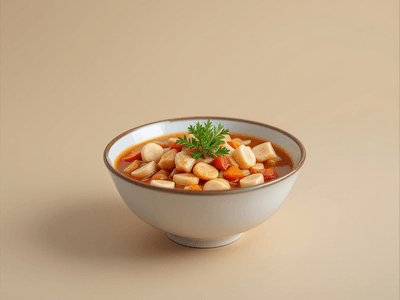
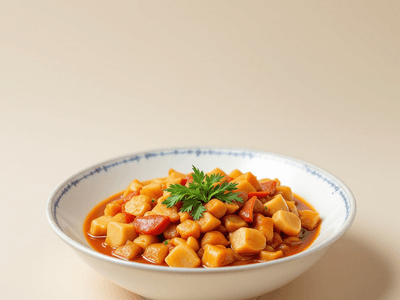
Fermented soybean paste stew with vegetables
How to Make Doenjang Jjigae (Traditional & Healthy Version)
Doenjang Jjigae (된장찌개) is a classic Korean stew featuring rich, earthy flavors from fermented soybean paste known as doenjang. This beloved dish has roots in Korean temple cuisine and is a staple on family tables across Korea, often served alongside a variety of banchan (side dishes). Its comforting aroma and deep umami taste make it a favorite in both rural and urban households. Doenjang Jjigae highlights the importance of fermentation in Korean cuisine, with doenjang providing not only flavor but also nutritional benefits. The stew is typically prepared with seasonal vegetables, tofu, and sometimes mushrooms, making it a vegetarian-friendly meal that fits perfectly into a health-conscious lifestyle. The balance of flavors—savory, slightly salty, and aromatic—pairs beautifully with a bowl of steamed rice. Korean families enjoy Doenjang Jjigae at lunch or dinner, and it is often shared communally, reinforcing the culture of togetherness and harmony. Simple yet deeply satisfying, this stew encapsulates the essence of Korean home cooking and the tradition of banchan, where fermented foods play a central role in nutrition and taste.
재료(One medium bowl per person, served with rice and banchan 기준)
- 2 tablespoons Doenjang (fermented soybean paste) (된장, essential for authentic flavor)
- 200 grams Soft tofu (두부, cut into cubes)
- 1/2 cup Zucchini (애호박, sliced)
- 1/2 cup Potato (감자, diced)
- 1/2 cup Onion (양파, chopped)
- 1/2 cup Mushrooms (표고버섯 or any local variety, sliced)
- 1/2 cup Korean radish (무, cut into thin slices)
- 1 Green chili pepper (청양고추, sliced (optional for heat)) - 선택 사항
- 2 cloves Garlic (다진마늘, minced)
- 2.5 cups Water or vegetable broth (For a lighter stew)
- 1 teaspoon Soy sauce (진간장, for depth) - 선택 사항
- 1 teaspoon Sesame oil (참기름, for finish) - 선택 사항
- 2 stalks Green onion (파, sliced)
조리 방법
- 1
Prepare all vegetables and tofu: wash, slice, and cube as directed. Mince garlic and slice green chili and green onion.
5 minutes
Cut vegetables evenly for consistent cooking.
- 2
In a pot, add water or vegetable broth and bring to a gentle boil. Stir in doenjang until fully dissolved.
3 minutes
Dissolve doenjang thoroughly for rich flavor.
- 3
Add potato, onion, radish, and mushrooms. Simmer until vegetables start to soften.
7 minutes
Simmer slowly to extract umami from vegetables.
- 4
Add zucchini, tofu, garlic, and green chili pepper. Continue cooking until zucchini is tender and tofu is heated through.
5 minutes
Add tofu gently to avoid breaking.
이 음식이 건강한 이유
This Korean stew is an excellent choice for calorie-conscious eaters because it's packed with nutrient-dense vegetables and tofu. Fermented doenjang boosts the immune system and aids digestion, while the absence of animal-based ingredients keeps cholesterol low. The dish is naturally low in calories and carbohydrates, making it ideal for weight management and balanced diets.
Doenjang Jjigae is rich in plant-based protein from tofu and vitamins from seasonal vegetables like zucchini, mushrooms, and radish. Fermented doenjang provides probiotics that support gut health and digestion. The stew is low in saturated fat and contains minerals such as calcium, iron, and potassium. Fiber content is high thanks to the vegetables, promoting satiety and metabolic health.
팁
- 💡Tip 1: Use homemade doenjang for deeper flavor and more probiotics.
- 💡Tip 2: Adjust vegetable selection to match seasonal produce for optimal taste and nutrition.
- 💡Tip 3: Let the stew rest for a few minutes before serving to meld flavors.
보관 및 제공
Store leftovers in an airtight container in the refrigerator for up to 3 days. Reheat gently on the stove, adding a splash of water if stew thickens.
가장 잘 어울리는 때: Breakfast or Lunch
영양 성분
| 영양소 | 100g당 |
|---|---|
| 에너지 | 75.0 kcal |
| 단백질 | 5.0 g |
| 탄수화물 | 8.0 g |
| 총 지방 | 3.0 g |
| 식이섬유 | 2.0 g |