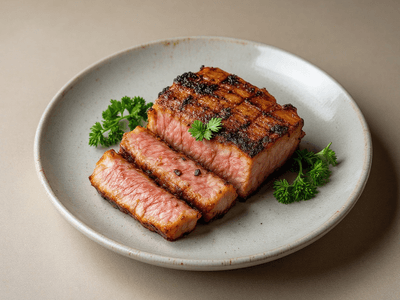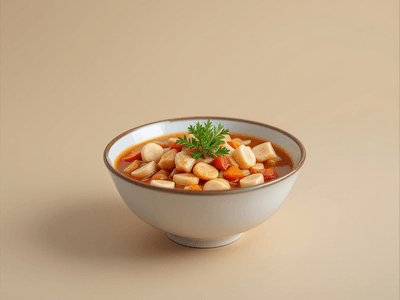
에 대해 Sundubu Jjigae
Spicy soft tofu stew with seafood or pork
How to Make Sundubu Jjigae (Traditional & Healthy Version)
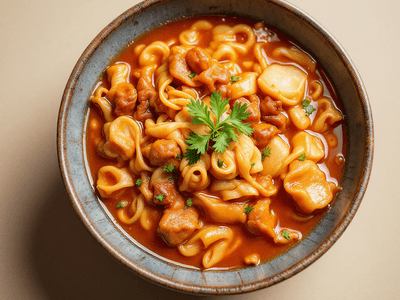
Sundubu Jjigae, or soft tofu stew, is a beloved Korean dish known for its comforting warmth and spicy, savory flavors. Rooted in Korea’s rich culinary heritage, this stew features uncurdled tofu (sundubu), vegetables, and typically seafood or thinly sliced meat, all simmered in a spicy anchovy-based broth. The dish’s signature silky texture and vibrant red hue come from gochugaru (Korean chili flakes) and gochujang (fermented chili paste), both staples in Korean kitchens. Sundubu Jjigae is commonly served bubbling hot in a stone pot, making it perfect for sharing as part of a traditional Korean meal with banchan (side dishes) and a bowl of steamed rice. Its combination of fermented ingredients and fresh produce highlights the essence of Korean cuisine, promoting both taste and health. This stew is deeply woven into everyday meals and is especially popular during colder months, offering both nourishment and a sense of home. With its balanced blend of protein, fermented foods, and vegetables, Sundubu Jjigae stands out as a wholesome option for those seeking authentic Korean flavors without compromising on nutrition. Its versatility allows for different proteins and spice levels, making it a great choice for a wide range of palates and dietary needs.
재료(1 medium bowl with rice 기준)
- 1 tube (300g) Sundubu (soft tofu) (순두부, uncurdled soft tofu)
- 80g Beef or pork, thinly sliced (Can substitute with seafood (clams, shrimp))
- 1/2 cup Kimchi (Fermented napa cabbage)
- 1/4 cup Zucchini (Sliced)
- 1/4 cup Onion (Diced)
- 3 cloves Garlic (Minced)
- 1 tablespoon Gochugaru (Korean chili flakes) (고추가루)
- 1 tablespoon Gochujang (fermented chili paste) (고추장)
- 1 tablespoon Soy sauce (Low-sodium preferred)
- 2 cups Anchovy stock (Or kelp broth for a lighter taste)
- 1 stalk Green onion (Chopped, for garnish) - 선택 사항
- 1 Egg (Optional, cracked at the end) - 선택 사항
조리 방법
- 1
Prepare anchovy stock by simmering dried anchovies and kelp in water for 10 minutes. Strain and set aside.
10 minutes
Use kelp for a vegetarian version and a milder broth.
- 2
Heat a Korean earthenware pot (ttukbaegi) or saucepan over medium heat. Add a small amount of oil, then sauté garlic and onion until fragrant.
3 minutes
Sautéing enhances the aroma and depth of flavor.
- 3
Add thinly sliced meat (or seafood) and stir-fry until lightly browned. Add kimchi and continue to stir-fry for another 2 minutes.
4 minutes
Kimchi adds a fermented depth—use well-fermented kimchi for best results.
- 4
Stir in gochugaru and gochujang, mixing well to coat ingredients. Add zucchini and sauté briefly.
2 minutes
Blooming the chili paste in oil releases more flavor.
이 음식이 건강한 이유
This Sundubu Jjigae recipe uses lean protein, heart-healthy tofu, and a variety of vegetables, making it lower in calories and saturated fat. Fermented ingredients like kimchi and gochujang support gut health, while the absence of excessive oil keeps it light. Its high protein and fiber content promote satiety, making it an ideal choice for weight management and a balanced diet.
Sundubu Jjigae is rich in protein from tofu and meat or seafood, while kimchi provides probiotics and vitamins like C and K. The vegetables offer fiber and antioxidants, and the use of fermented gochujang adds depth without extra fat. Anchovy stock supplies essential minerals, and the overall dish is low in saturated fat compared to cream-based stews. This well-balanced meal delivers nutrients essential for energy, immunity, and digestive health.
팁
- 💡Tip 1: Use well-fermented kimchi for maximum flavor and probiotic benefits.
- 💡Tip 2: Crack the egg just before serving for a creamy, custard-like texture.
- 💡Tip 3: Serve Sundubu Jjigae piping hot in a stone pot to retain heat and authenticity.
보관 및 제공
Store leftovers in an airtight container in the refrigerator for up to 2 days. Reheat gently over the stove to preserve the tofu’s texture. Avoid freezing as soft tofu may become watery.
가장 잘 어울리는 때: Breakfast or Lunch
영양 성분
| 영양소 | 100g당 |
|---|---|
| 에너지 | 85.0 kcal |
| 단백질 | 6.0 g |
| 탄수화물 | 5.0 g |
| 총 지방 | 5.0 g |
| 식이섬유 | 1.0 g |