에 대해 Soju
Korean distilled spirit — 16-20% ABV
How to Make Soju (Traditional & Healthy Version)
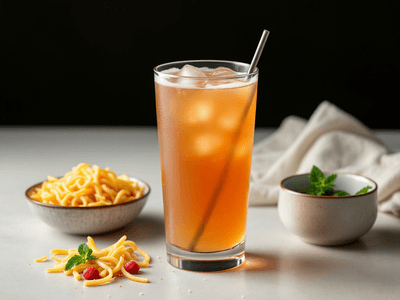
Soju (소주) is Korea’s iconic distilled beverage, deeply woven into the country’s food culture and festive gatherings. Traditionally enjoyed alongside a spread of banchan (side dishes) and fermented foods like kimchi, soju is renowned for its smooth, clean taste and versatility as a social drink. Originating from the Goryeo Dynasty, soju has evolved into Korea’s most beloved spirit, often shared among friends and family during meals or celebrations. Known for its neutral flavor and mild sweetness, soju is a perfect companion to classic Korean dishes. Its subtle character makes it an excellent palate cleanser, especially when paired with the spicy, savory, and umami-rich flavors found in Korean cuisine. While typically higher in alcohol content, this modern, health-conscious version uses traditional fermentation and distillation techniques but with a focus on lower calories and clean ingredients. Making your own soju at home allows you to control the ingredients and ensure a vegan, additive-free beverage, aligning with a healthy lifestyle and mindful calorie tracking. Whether enjoyed chilled or used as a base for cocktails, homemade soju offers an authentic Korean experience right from your kitchen.
재료(1 small glass (50ml), as served with Korean meals 기준)
- 2 cups Short-grain rice (찹쌀 (chapssal))
- 1 medium Sweet potato (고구마 (goguma), peeled and diced)
- 1/2 cup Barley malt powder (엿기름 (yeotgireum))
- 1/2 cup Nuruk (fermentation starter) (누룩)
- 4 cups Distilled water (Filtered)
- 2 tbsp Granulated sugar (For fermentation) - 선택 사항
- 1/2 tsp Sea salt (Optional, for balance) - 선택 사항
- 1/2 tsp Yeast (Active dry)
- 1 Charcoal filter (For final purification)
조리 방법
- 1
Rinse the short-grain rice and soak it in water for at least 2 hours. Drain completely, then steam the rice until fully cooked and sticky.
15 minutes
Use chapssal for best fermentation results.
- 2
Peel and dice the sweet potato. Steam until soft, then mash thoroughly.
10 minutes
Sweet potato adds natural sweetness and smoothness to the final soju.
- 3
In a sanitized fermentation vessel, combine the cooked rice, mashed sweet potato, barley malt powder (yeotgireum), and nuruk. Mix well to ensure even distribution.
5 minutes
Ensure everything is at room temperature before mixing to avoid killing the fermentation starter.
- 4
Add distilled water and granulated sugar. Stir until incorporated. Sprinkle yeast over the mixture and mix gently.
5 minutes
Filtered water prevents unwanted flavors and contaminants.
이 음식이 건강한 이유
This healthy soju recipe avoids commercial additives and excessive sugars, relying on traditional fermentation for purity. By controlling the ingredients and fermentation process, you minimize unwanted chemicals and artificial flavorings, making it suitable for mindful drinkers. Enjoyed in moderation, homemade soju can be part of a balanced Korean meal, especially when paired with banchan and fermented foods that aid digestion and gut health.
Homemade soju crafted from rice, sweet potato, and barley malt is naturally vegan and free from artificial additives. While it is an alcoholic beverage, making it from scratch allows for lower sugar content and moderation in serving size. Soju contains minimal fat, negligible protein, and its carbohydrates derive primarily from fermentation. Though not a significant source of vitamins or minerals, using whole grains and sweet potato can introduce trace nutrients like potassium and B vitamins, making it a cleaner choice compared to commercial varieties.
팁
- 💡Tip 1: Use high-quality nuruk for the most authentic flavor and efficient fermentation.
- 💡Tip 2: Ensure all equipment is thoroughly sanitized to prevent spoilage or off-flavors.
- 💡Tip 3: Pair soju with an array of banchan and kimchi to enhance the Korean dining experience.
보관 및 제공
Store homemade soju in a sterilized glass bottle in the refrigerator. Consume within 1 month for optimal freshness. Keep tightly sealed to preserve flavor and prevent contamination.
가장 잘 어울리는 때: Lunch or Dinner
영양 성분
| 영양소 | 100g당 |
|---|---|
| 에너지 | 64.0 kcal |
| 단백질 | 0.0 g |
| 탄수화물 | 0.0 g |
| 총 지방 | 0.0 g |
| 식이섬유 | 0.0 g |