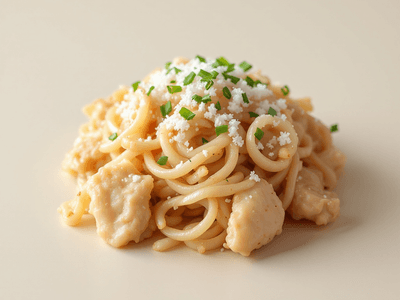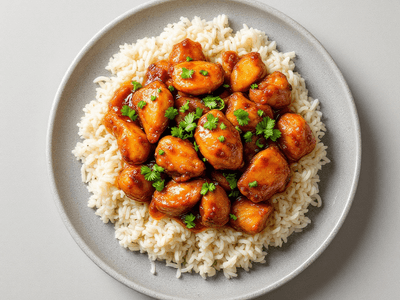
에 대해 Dakgangjeong
Crispy sweet and spicy chicken bites
How to Make Dakgangjeong (Traditional & Healthy Version)
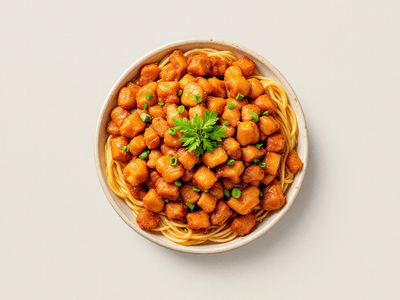
Dakgangjeong (닭강정) is a beloved Korean crispy fried chicken dish, celebrated for its sweet, sticky, and spicy glaze. Originating from the Korean peninsula, it has become a popular global favorite thanks to its addictive crunch and vibrant flavors. Dakgangjeong is traditionally served as anju (food paired with drinks) or as a festive treat during celebrations like Chuseok (Korean Thanksgiving) and Lunar New Year. The dish is distinct for its bite-sized boneless chicken pieces, which are double-fried to achieve a light, airy texture and then coated in a rich, glossy sauce made with gochujang (Korean chili paste), honey, soy sauce, and garlic. Korean cuisine is renowned for its balance of flavors and emphasis on communal eating, with Dakgangjeong often appearing alongside banchan (side dishes) such as kimchi and pickled radish. The interplay of spicy, sweet, and savory makes it a crowd-pleaser, while the use of fermented ingredients like gochujang adds depth and probiotics. In modern Korea, Dakgangjeong is enjoyed in homes, street markets, and restaurants, offering a taste of tradition and contemporary culinary innovation. Choosing a health-conscious version allows you to savor this iconic dish while maintaining nutritional balance.
재료(1 generous portion (approx. 150g cooked chicken) 기준)
- 300g Boneless chicken breast (닭가슴살)
- 1/2 cup Cornstarch (for coating)
- 1 Egg white (for batter)
- 2 tbsp Soy sauce (간장)
- 1 tbsp Gochujang (Korean chili paste) (고추장)
- 1.5 tbsp Honey (꿀)
- 1 tbsp Rice vinegar (쌀식초)
- 2 cloves, minced Garlic (마늘)
- 1 tsp Sesame seeds (참깨)
- 1 stalk, finely chopped Green onion (파) - 선택 사항
- for shallow frying Cooking oil (식용유)
조리 방법
- 1
Cut the boneless chicken breast into bite-sized pieces and pat dry. Season lightly with salt and pepper.
5 minutes
Drying the chicken helps achieve extra crispiness.
- 2
Coat chicken pieces in egg white, then toss in cornstarch until evenly covered.
3 minutes
Use a ziplock bag for quick and mess-free coating.
- 3
Heat a thin layer of oil in a skillet over medium-high. Shallow-fry chicken pieces until golden and crispy on all sides. Remove and drain on paper towels.
8 minutes
Do not overcrowd the pan; fry in batches if needed.
- 4
Prepare the sauce: Mix soy sauce, gochujang, honey, rice vinegar, minced garlic, and 1 tbsp water in a small bowl.
2 minutes
Adjust honey or gochujang for sweetness or spiciness.
이 음식이 건강한 이유
This healthy Dakgangjeong recipe prioritizes lean protein, reduced oil, and natural sweeteners. By using shallow frying and omitting batter-heavy coatings, you cut calories and saturated fat. Fermented gochujang adds gut-friendly probiotics, and each portion offers balanced macros for sustained energy. It fits easily into calorie-conscious meal plans, making it ideal for lunch or post-workout nourishment.
Dakgangjeong made with boneless chicken breast is high in lean protein, supporting muscle repair and satiety. Using honey instead of refined sugar reduces empty calories and offers trace minerals. Gochujang provides antioxidants and healthy fermentation-derived probiotics. Shallow frying minimizes excess fat, and incorporating garlic and green onion adds vitamins C and K, plus immune-boosting properties. The dish is naturally rich in B vitamins, selenium, and zinc.
팁
- 💡Tip 1: Pat chicken dry thoroughly before coating to maximize crispiness.
- 💡Tip 2: Double-fry for extra crunch if calories allow.
- 💡Tip 3: Garnish with sesame and green onion just before serving for freshness.
보관 및 제공
Store leftovers in an airtight container in the refrigerator for up to 2 days. Reheat in an oven or air fryer to restore crispiness. Avoid microwaving to prevent sogginess.
가장 잘 어울리는 때: Lunch
영양 성분
| 영양소 | 100g당 |
|---|---|
| 에너지 | 310.0 kcal |
| 단백질 | 18.0 g |
| 탄수화물 | 22.0 g |
| 총 지방 | 17.0 g |
| 식이섬유 | 0.0 g |